Search Results
809 results for “tail rot”
Why is my goldfish’s tail turning black and developing ulcers?
A goldfish's tail turning black and developing ulcers is thought to be caused by poor water quality, bacterial infection, or fin rot. Poor water quality is a common cause of tail rot in goldfish, because the tail is very fragile and easily affected by water conditions. To avoid this, the keeper should change the water regularly and keep it clean. In addition, bacterial infection and fin rot can also cause a goldfish's tail to turn black and ulcerate, so the specific cause must be confirmed and the appropriate medication used.
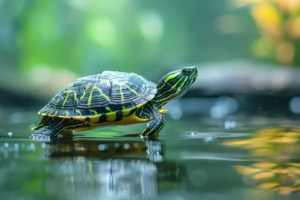
How to Treat Shell Rot in Turtles
Shell rot is a common external disease in pet turtles. The symptoms are obvious and easy to diagnose, but it's tricky to handle, and many beginners are at a loss. Poor handling can worsen or even kill the turtle. Today our pet care specialists detail the treatment methods, hoping to help.

Causes and Treatment of Arowana Tail Loss
Arowana tail loss has long troubled keepers. Though not fatal, it seriously hurts appearance. How to avoid it? Our veterinarian explains the causes so keepers can prevent and reduce tail rot.
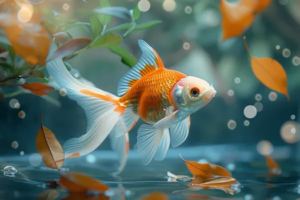
How to Treat Arowana Fin Rot?
Arowana fin rot is hard to fully avoid, a common disease. Our veterinarian explains the basic causes and prevention of fin rot.
Why does a cat curl its tail?
When a cat feels uneasy, nervous, or angry, its tail may curl—a protective mechanism. Different curl shapes express different emotions: a raised or slightly sideways tail means alert or excited; a tail held close to the body or slightly lowered means fearful or uneasy.
Why do deer dogs have their tails docked?
Deer dogs have their tails docked mainly for appearance, which makes them look more attractive and helps identify the breed, and for protection. Because deer dogs are timid and tuck their tails when scared, other dogs may bully them, and docking also lowers the risk of tail injury from tripping or getting caught in doors.
How to Tell the Sex of a Crown Tail Betta?
A Crown Tail Betta's sex can be told by tail fin, color, and reproductive organs: males have longer, larger, brighter tails; females have a short tail, a pale egg tube under the belly, and a round 'belly button' males lack.
It Is 36 Days Old, Came Home Last Night, Ate Only a Little, Stools Are Formed but the Tail End Is Slightly Watery, Head Keeps Tucking Back into Its Wings, Feathers Feel Slightly Puffed Up
Based on your description and the photo, the parrot may have soft stools, reduced appetite, shivering, timidity, and puffed feathers, which could be stress-induced enteritis from a new environment or long transport, or enteritis from carried pathogens or parasites.

How to Prevent Avian Trichomoniasis in Parrots?
Avian trichomoniasis is harmful; owners should prevent it in advance. How? The key is a purification program. Our team details the prevention and control methods.
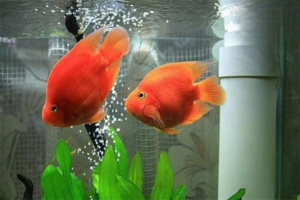
How to Treat Fin Rot in Blood Parrot Cichlids?
Keepers know blood parrot cichlids demand high water quality, and poor water is the top cause of disease, including fin rot. How to treat it? Our team explains causes and treatment.