Search Results
255 results for “sweat”
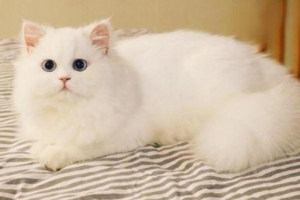
Should You Shave Your Cat’s Fur?
When summer heat arrives or shedding season peaks, many owners wonder whether to shave their cat. In short, healthy cats do not need shaving, and doing it can actually cause harm. Shaving should be reserved for genuine medical needs such as skin disease. This article explains why shaving won't cool your cat and the real risks it brings.

How to Keep Your Cat’s Coat Beautiful
A dull, dry, matted coat comes from genetics, aging, obesity (a fat cat can't groom its blind spots), and missing nutrients like lecithin. Care: feed quality food with coat-supporting lecithin, fish oil, and zinc; bathe only every 3–4 months with cat-specific shampoo at 36–38°C, using a low-noise dryer; brush often with the right comb; never shave for 'fun' or 'cooling' (cats have no sweat glands and may get depressed); and give sunlight for germ control. Keep the living space clean to avoid skin disease.
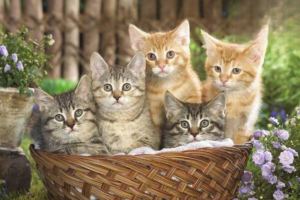
What to Do When Your Cat Sheds in Spring
Cats shed all year, peaking at season changes—like swapping a 'new sweater' each quarter; it's normal and harmless. But heavy loss with ringworm or skin disease needs attention and possibly a vet. One follicle grows several hairs, making the coat dense and heavy; shedding lightens the load and, the joke goes, comforts the balding human. Shaving it all off isn't realistic (and your cat may never forgive you)—instead, brush regularly through the shed.

Why Can a Dog’s Tongue Stick Out So Far?
The tongue drinks, cools, and signals health. Dogs lap by curling the tongue into a scoop. Their tongue muscles are more elastic than ours, so it flops out easily. For cooling, dogs sweat only from paw pads; they pant with the tongue out, evaporating saliva to shed heat—still weak against summer, so avoid heat. Tongue color hints at health: normal is pink/red; bright red at rest suggests inflammation; a normally pink tongue that turns purple after exercise points to the heart (or heatstroke/poisoning)—see a vet.
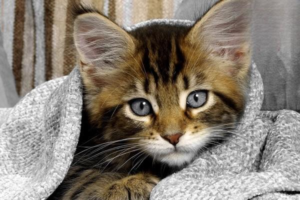
What to Do When Your Cat Is Bitten by Mosquitoes
Cats have thick fur, so mosquitoes mainly reach the thinly haired head, ears, nose, and eyes. In heavy-mosquito areas (wetlands, riverbanks), protect a traveling cat with pyrethrin spray, a mesh cat-cover (or an Elizabethan collar with mesh sewn on), and by keeping it in the car or using coil smoke at camp. If bitten and a red bump appears, dab with a little floral water on a cotton swab and give a daily B-vitamin tablet—B vitamins excreted in sweat and urine both aid skin repair and mildly repel bugs.

How to Prevent Tape-Sticking Stress in Cats
If a cat steps on tape or gets sticky paper on a front paw, it shakes the limb frantically, panics, and bolts—because the paw pads are vital for shock absorption, sweat-cooling, scent marking, and balance. Losing that sense is disorienting, even nauseating. You can desensitize the cat with gradual training: while petting to keep it calm, wrap tape on the paws, then soothe until it stops shaking, repeating until it calmly removes the tape with its mouth. Household 'sticky traps' then cause far less chaos—and less furniture damage.

Can Cats Get Heatstroke?
Like people, cats can suffer heatstroke if they can't cool down in hot weather—flat-faced breeds (Exotic, Persian), older cats, and overweight cats are at higher risk. Above 32°C is very hot for a cat; above 40°C is dangerous. Cats cool mainly through paw-pad sweat, panting, and saliva evaporation, so help them with plenty of water, cool tiles, shade, air conditioning (a fan alone does little), and trimmed paw fur. Watch for prolonged panting with bright-red gums, drooling, vomiting, and weakness—and get to a vet fast.

Why Cats Spend So Much Time Grooming
Grooming is second nature to cats: an adult cat spends 15% to 50% of its day licking its coat, starting as early as four weeks old. It is far more than staying clean. Grooming clears dirt and spreads natural oils, helps regulate body temperature, hides foreign scents, communicates affection, relieves stress, and even helps wounds — though vets warn against licking injuries. Heavy over-grooming that causes bald spots, or biting at the skin, can signal a skin disease or fleas, so it also works as an early warning system.

Essential Tips for Raising Healthy Rabbits
Rabbits are sensitive to their environment, and getting temperature, humidity, feed variety, and nighttime feeding right is essential to keeping them healthy. Their thick coat and weak sweat glands make it hard to release heat, so rabbits tolerate cold better than heat; a stuffy, humid hutch quickly leads to illness. Aim for about 20-27C, keep bedding dry, offer a varied diet instead of a single feed, and provide plenty of hay at night when rabbits are most active. These basics help prevent disease and support steady growth.

Understanding a Rabbit’s Physical Traits
Rabbits are built for alertness and quick escape. Their freely rotating ears carry dense blood vessels that release heat and give keen hearing, while eyes set on the sides of the head give a near 300-degree view, though daytime sight is weak. A constantly twitching nose reads scent, whiskers map nearby objects, and 28 ever-growing teeth demand constant chewing. Strong hind legs power leaps, a fragile skeleton needs careful handling, and body size ranges from under 2 kg to 8 kg across small, medium and large types.