Search Results
255 results for “sweat”

Cat Won’t Drink in Summer? 8 Tips to Get It Drinking on Its Own
A healthy adult cat needs about 50-60 ml of water per kg of body weight each day, but dry kibble is only around 5-10% moisture, so summer drinking matters even more. Cats sweat only through their paw pads and ears and cool poorly, so low intake risks heat stress. Practical fixes: use a shallow ceramic or glass bowl (deep bowls annoy whiskers), offer a filtered running-water fountain, keep bowls over 1.5 m from the litter box and place several around the home, rehydrate freeze-dried food, serve wet food in the evening, and offer unsalted broth a few times a week. Senior, obese, and chronically ill cats need closer monitoring for dehydration.
100 Essential Tips Every New Cat Owner Should Know
Bringing home a first kitten is exciting but daunting, and poor care can hurt both of you. These 100 essentials cover diet (life-stage food, toxic grapes/chocolate/onion/garlic, no bones or raw meat, fresh water), daily care (brushing, nail and ear cleaning, litter hygiene, n+1 boxes), health (vaccines at 8–12 weeks, deworming, normal temperature 38–39.2°C, spay/neuter, no human meds), behavior (slow blinks, tail talk, no punishment), and home safety (screens, hiding wires, toxic plants, no smoke). Read them once and you'll share a calmer, healthier life with your cat.

Does Your Cat Know You’re the One Caring for It?
Cats definitely know who feeds and cares for them. Through consistent feeding, grooming, and play, they link your face, voice, and scent to survival needs like warmth and safety. A 2019 University of Tokyo study found cats turn their ears and dilate pupils faster for their owner's voice than a stranger's—proof the brain flags you as important. Cats show recognition subtly: cheek-rubbing, belly displays, midnight purring, and tracking your location. To strengthen the bond, build a feeding ritual, respond to their overtures, and avoid 'emotional neglect'—cats cared for by rotating family members grow less attached. A stable caregiver builds the security they need.
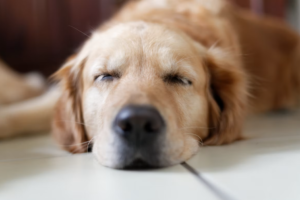
Why Is My Dog So Sleepy in Summer?
Many dogs seem lazier and sleep far more once summer arrives. In most cases this is a normal response to heat—dogs cool themselves mainly by panting and through their paw pads, so they naturally slow down to avoid overheating. However, persistent lethargy paired with panting, a rising temperature, or appetite loss can signal heatstroke or illness. Keep your dog cool, hydrated, and walk them during cooler hours to stay safe.
Why Dogs Drink Less in Cold Weather (and Why It Matters)
As temperatures drop, many dogs drink far less, but winter dehydration is no minor issue — it can concentrate urine, form mineral crystals, and lead to urinary tract infections, stones, or even blockages. Low water also slows digestion and causes constipation, strains the kidneys, and thickens the blood, burdening the heart. A healthy adult dog needs 40–60 ml of water per kg daily, and no less than 30 ml/kg in winter. To encourage drinking, offer warm water (28–40°C), add a splash of something tasty like broth, place bowls around the home, use a flowing fountain, and boost activity on sunny days so your dog drinks after exercise.

How to Safely Cuddle Your Cat and Stay Healthy
Cuddling and nuzzling a cat - playfully called "sniffing the cat" - is a way owners show affection, and cats are uniquely cuddle-friendly because they barely smell. Unlike dogs, whose whole-body sweat glands make them rank without baths, a cat's scattered glands and constant self-grooming, plus sunbathing that kills bacteria, leave little odor. But close contact is not risk-free: diseases in cat feces or on the coat can pass to people. These include toxoplasmosis, cryptosporidiosis, and roundworm (mostly a kitten worry), plus Q fever from Coxiella burnetii, flea-driven skin allergies, and rarely rabies or hepatitis. Enjoy the cuddle, but wash up after, keep indoor cats' litter clean, and be extra careful if you are pregnant or unwell.
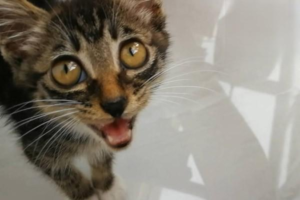
What to Do When Your Cat Has a Fever
Cats get fevers just like people, but a cat's fever is rarely simple - it can signal parasites, stress, bacterial infection, panleukopenia (feline distemper), feline herpesvirus, or various inflammations. A fever is not a small matter: left alone it can damage organs and even turn deadly. Telltale signs include hot ears and tail tip, a dry nose, sweaty paw pads, and a cat that suddenly prefers cool floors and dark corners while eating less and looking limp. Normal cat temperature runs 38-39C (about 39.3C in kittens); above 39.5C is a fever and above 40C is high. For a mild fever or when a clinic is out of reach, cool the paws and belly with alcohol and offer water, but never give human fever medicine, which can be fatal - see a vet for high fevers.

Summer Hazards for Cats
Summer is a rough season for cats. With poor sweating, they overheat fast - five minutes on hot asphalt, in a sealed space or on a sunny balcony can cause heatstroke: high temperature, fast pulse, panting, then dizziness, vomiting and coma. Move them to shade and cool with water or a fan, and rush to the vet if it does not ease. Warm weather also brings acute gastritis from spoiled food (limit water and feed easily digested fluids) and skin disease from fleas, mites and fungi - treat the cause and keep up prevention with cleaning and deworming.

Emergency Care for a Pet With Heatstroke
Dogs cool only through their paw pads and tongue, so a thick coat turns summer into a sweater; heat, humidity, no water, hard exercise, or even clothes and shoes can tip them into heatstroke. Know the signs, and if you cannot reach a clinic, cool the body safely while rushing for help. This guide covers causes, symptoms, and emergency steps.

Why Is a Cat’s Nose Always Wet?
A moist cat nose surprises many first-time owners, but the reason is simple: a cat sweats through only two spots on its body, and the nose is one of them. Drinking, washing, and leaving scent marks also add a little moisture. A wet nose helps with temperature control and scent marking. A dry nose is not automatically a sign of illness; it varies with season and indoor air. Only a persistently dry nose, or one that is overly wet from a runny nose, deserves attention.