Search Results
255 results for “sweat”
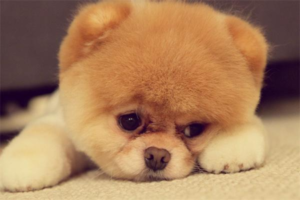
Signs Your Dog Is Too Hot (and How to Prevent Heatstroke)
A hot dog pants with its tongue out, breathes rapidly, eats less, has damp paw pads, lies belly-down, drinks heavily, drools, and licks itself. If the heart rate tops 120–150 or the tongue turns purple, it may be heatstroke. Keep outings to cooler hours, offer shade and water, and trim thick coats.
Can rabbits be in the sun?
Rabbits benefit from gentle sunbathing for calcium and bone health, but avoid hot or intense sun to prevent heatstroke and skin damage. Aim for about 30 minutes in soft light.
Is it normal for a rabbit’s nose to keep twitching?
A constantly twitching nose is normal in rabbits due to their fast breathing rate. Faster twitching can signal nervousness, heat, or active sniffing to compensate for their forward blind spot. It is generally not a cause for concern.

What Happens When You Shave a Dog in Summer?
A dog's coat blocks UV, insulates, and shields skin from bugs and debris; shaving it raises risks of sunburn, skin cancer, follicle damage, parasites, and cuts, and can hurt the dog's confidence and social ease. Unless medically needed, avoid full shaves — instead offer water, shade, cool timing, and light trimming (keep the outer coat).

Havana Rabbit: Temperament and Care
The Havana rabbit is pure white except for a ring of black fur around the eyes, giving it a panda-like face. It comes in a dwarf form (1 to 2 kg) and a large form (7 to 8 kg) that are hard to tell apart when young. These rabbits are lively and curious but timid, cold-hardy yet heat-sensitive. They need a quiet, clean, dry home, like to dig burrows, and require plenty of hay to wear down their teeth.

Summer Dog-Walking Survival Guide (With Heatstroke First Aid)
Dogs have almost no sweat glands and cool mainly by panting, so above 28 C their cooling efficiency drops below a fifth of ours, and asphalt can hit 57 C while a dog's belly, only 20-30 cm off the ground, breathes air 5-8 C hotter. That makes summer walks risky. Walk before 7 a.m. or after 8 p.m. in shaded parks or grass, carry a folding bottle and offer water every 15 minutes, and cap time by breed, short-nosed dogs under 15 minutes in shade, sport breeds rest 5 minutes per 10 of exercise, small dogs under 10 minutes several times a day. Heatstroke can reach organ failure in 30 minutes; early signs are heavy panting, dark purple tongue, thick drool, then staggering and vomiting above 40 C, and seizures or coma with up to 80% death if untreated. First aid: move to shade, wipe groin/armpits/neck with room-temp water, give small sips if awake, keep head low, and rush to a vet.
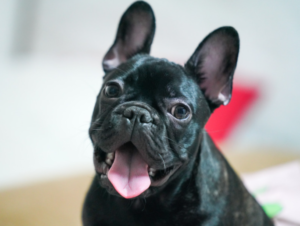
Goodbye Dog Smell: How to Cut Summer Odor
A dog's stronger summer smell comes from more active sebaceous glands plus humid air that speeds surface bacteria. The common "wash more when it stinks" reflex is wrong, frequent baths break the skin's oil barrier and make odor worse. Bathe every 2-3 weeks (short hair) or 1-2 weeks (long hair or active dogs), focusing on paws, groin, ears, and anal glands, using a pet shampoo with tea tree or rosemary. Brush teeth 2-3 times a week, give dental chews every few days, clean ears, feed quality protein with veggies, and wash the bed and toys while keeping the room aired. A sudden strong smell with red skin or hair loss needs a vet.

Why Does Your Dog Keep Licking Its Paws?
Frequent paw licking can be boredom, an early sign of interdigital dermatitis or skin infection, a wound, or damp 'athlete's foot'. Long paw fur that stays wet breeds bacteria and leads to interdigital inflammation, so trim and dry the fur and clean the paws after walks. Check for cuts from stones, thorns, or glass, and for parasite or yeast infections that itch. If the paws look normal, the licking is likely boredom, and more playtime helps prevent the loneliness that can slide into depression.

Why Won’t Your Cat Let You Touch Its Paws? (And How to Trim Nails)
A cat's paws are vital tools for hunting, defense, climbing, and sensing, and the hunting instinct remains even in pets, so a paw grab can feel like a threat. Paws also carry five times the nerve endings of a human fingertip and hold scent glands in the pads used to mark territory, making them extra sensitive. If a usually tolerant cat suddenly refuses paw contact, suspect pain from interdigital dermatitis, a paw injury, or arthritis, and watch for limping, obsessive licking, red swollen pads, or stiff wrists. A gradual, reward-based training plan helps most cats accept handling, but always stop if the cat shows stress.
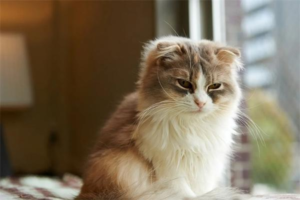
Why Are Your Cat’s Paw Pads Warm?
Warm paw pads are a normal physiological phenomenon in cats, the result of metabolism, circulation, and the keratin layer working together. Paw pads naturally run warmer because they hold many sweat glands that help release heat and regulate body temperature. After activity or in a warm room, warm pads are expected. Only abnormally hot pads with clear discomfort suggest a health problem worth checking.