Search Results
12 results for “summer hamster”
What Bedding Is Best for Hamsters in Summer?
Summer is hard on small pets, so choose airy, cool bedding: dust-free wood shavings, grass mats, cat litter, corn cob, or paper pellets. Grass mats are often best—eco-friendly, absorbent, breathable, and even edible for extra food and fun. Different beddings have different pros and cons, so pick what fits your setup, but always replace and clean regularly to stay dry and hygienic. Check the source is safe and contaminant-free, and keep the depth moderate so the cage isn't overcrowded. Good bedding matters because summer raises the risk of wet-tail and respiratory disease.

Summer Care Tips for Hamsters
Hamsters have weak immunity and get sick easily with temperature swings, so summer care must cool them without letting them catch cold. Place the cage in a shady, airy spot with cooling mats, and if you use air conditioning keep it around 27°C with paper cotton for warmth, or use a fan that does not blow directly on the pet. Keep the diet light: normal hamster mix plus cooling foods like mung beans, watermelon, cucumber, or a little chamomile water, and always provide fresh water changed daily. Clean the cage and change bedding twice a week to limit bacteria.

How to Prevent Heatstroke in Hamsters During Summer
All hamsters hate heat, so in summer, without proper cooling, they can quickly suffer heatstroke. Early signs are frantic running, excitement, and jumping; as it worsens, tremors, dehydration, and coma follow, and death can come fast without prompt first aid. Move the cage to a cool, airy spot, give plenty of water, and act at the first sign by cooling the environment and offering electrolyte fluid. Prevention means ventilation, constant fresh water, cooling tiles, and light, hydrating foods like cucumber and watermelon.
Are Hamsters Sensitive to Heat? Signs and Cooling Tips
Hamsters do mind the heat, and in a hot summer they can overheat and suffer heatstroke, showing signs like lying still, dull eyes, and rapid breathing. Owners need to plan cooling before the temperature spikes. The good news is that simple housing tweaks—shade, the right bedding, a water basin, and stable temperatures—go a long way. This guide covers how a heat-stressed hamster behaves and the practical steps to keep it safe through the summer.
Hamster Heatstroke: Signs and First Aid
Hamsters tolerate heat better than some small pets, but a sustained hot spell can still overcome them, and heatstroke is fast and dangerous. Early signs are deceptive—frantic racing—but they quickly give way to lethargy, rapid breathing, and collapse, and an untreated hamster can die within half an hour. Quick cooling and fluids are the difference. This guide explains how to recognize heatstroke and the step-by-step first aid that can save your hamster.

Can Hamsters Eat Vegetable Leaves?
Vegetable leaves add water and help hamsters cool off in summer, but only in moderation and always washed and dried, since excess moisture causes diarrhea. A few servings a week aid digestion and prevent constipation, with grains as the staple and millet or mealworms for balance. Hardy foods also help wear teeth. Avoid spicy vegetables like chili, onion, garlic, and leek, and never human leftovers or wilted, refrigerated greens, which can harbor bacteria and toxins.
How to Layer Hamster Bedding
Hamster bedding should be spread evenly and changed on a schedule that fits the material. Wood shavings are the most common and budget-friendly choice, but they absorb poorly and trap odor, so in summer they need frequent changes. Wood pellets are low-dust and long-lasting, good for summer, while corncob bedding must be sun-sterilized first. You can also mix tofu or bentonite litter into the blend, and always layer urine sand beneath a topping of shavings rather than mixing the two. Tidy, ordered bedding makes soiled spots easy to spot and clean.

Syrian Hamster
The Syrian hamster (Mesocricetus auratus), also called the golden hamster or 'pearl bear', is a hamster from Asia and the first species kept as a pet. Docile and easy to breed, it lives 2 to 3 years with good care and comes in over 40 color varieties.
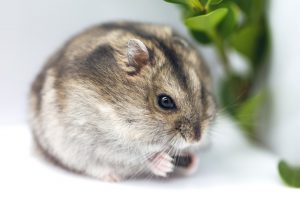
Winter White Dwarf Hamster
The Winter White Dwarf Hamster (Phodopus sungorus), also called the Djungarian hamster or Russian dwarf, is the easiest and tamest of the small hamsters and turns white in winter. A solitary species, it needs a safe cage, a wheel, and a careful diet free of onion, chocolate, and apple seeds. Lifespan 2–3 years.

Pudding Hamster
The Pudding Hamster is a popular pet variety named for its pudding-yellow coat. Gentle and easy to handle, it is heat-sensitive, territorial, and can nip — so wash your hands before handling and never co-house it. It lives 1–3 years and needs steady 20–28°C and careful, chew-safe feeding.