Search Results
803 results for “sugar”
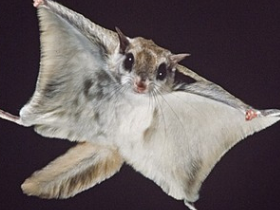
Sugar Glider
The Sugar Glider is a marsupial (a pouched warm-blooded animal like the kangaroo and wallaby). It is native to Australia, New Guinea, and South Australia, spending most of its time in trees. It has gliding membranes on both sides of its body extending from the wrist to the ankle, helping it glide between trees.
My new dog arrived today, vomited three times after sugar water, and will not eat kibble; what is wrong?
A new dog vomiting and not eating may be a sick puppy from a market (distemper, parvo, corona) or parasites, or stress-induced acute gastritis. Fast half a day; if no more vomiting, give gut meds and probiotics, and see a vet if it worsens.
Are My Sugar Glider’s Toothpaste-Like Droppings Diarrhea or Normal?
Toothpaste-shaped droppings that are not wet or sticky are normal; wet unformed stool is diarrhea. Causes include new or spoiled food, bacteria or parasites, treated after a fecal test. Avoid new foods and keep water clean.
How long until a sugar glider bonds with its owner?
After about a month of keeping, a sugar glider recognizes its owner and becomes very clingy. To speed bonding, spend time daily, hand-feed and offer favorite foods. Once bonded it won't recognize others and usually bonds with one owner for life, so commit and never abandon it.
How long does it take a dog to recover from low blood sugar?
If low blood sugar is from prolonged hunger, supplementing glucose relieves it within minutes. If from malnutrition or frequent diarrhea, recovery may take about a week.
What happens if a puppy eats sugary meat?
Sugary meat may cause indigestion with vomiting, diarrhea, abdominal pain and poor appetite; give probiotics. Dogs metabolize sugar poorly, and frequent sugary food burdens organs, raising risks of diabetes and cardiovascular disease. Sugars also linger in the mouth, causing dental problems.
What happens if a kitten has low blood sugar?
A kitten with low blood sugar usually shows rapid heartbeat, lethargy, loss of appetite, slow reactions, lowered temperature, coma, and convulsions. Prolonged hypoglycemia can cause anemia with pale mucous membranes, unsteady walking, and poor circulation, even leading to pancreatitis. Take it to the vet promptly and feed on a fixed schedule.
What happens if a puppy lacks sugar (glucose)?
A puppy lacking sugar may show hypoglycemia symptoms such as lethargy, diarrhea, vomiting, drop in body temperature, coma, convulsions, and drooling. If not treated promptly, the heartbeat weakens and breathing slows, and it can die at any time. Dogs convert other nutrients into sugar, so do not feed extra sugar; give glucose if hypoglycemia appears.
How do you feed a sugar glider?
Sugar gliders like sweet foods: flowers, leaves, seeds, sap. Feed commercial food plus nectar and fruits (strawberry, peach, etc.) and few veggies. Cage in dry, shaded place to protect eyes.
What happens if a Teddy eats too much sugar?
Too much sugar causes obesity in Teddies, risking diabetes, joint, and heart-lung diseases that shorten life. Teddies need little sugar; excess burdens the gut and causes metabolic and hormonal imbalance and hair loss. Sugar also harms teeth, causing cavities, plaque, and gum swelling, so brush often. Frequent sweets cause picky eating and later malnutrition.