Search Results
117 results for “stress urination”
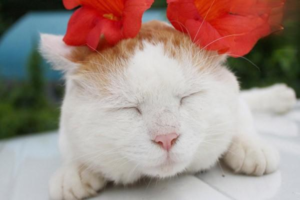
Should You Force-Water a Cat That Won’t Drink?
Cats naturally drink little, but low intake risks urinary and kidney disease. Never force-water — it can cause aspiration and stress. Increase intake via fresh/flowing water, wet food, multiple bowls, and, as a last resort, a syringe without the needle.
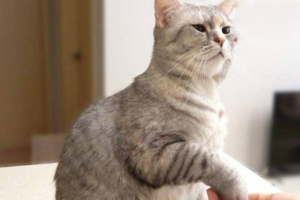
What to Do When a Cat Pees Outside the Litter Box After a Litter Change
Cats are sensitive creatures, and suddenly switching litter can make them refuse the box and eliminate around the house. The main causes are an unfamiliar scent, uncomfortable texture, or heavy dust, and the fix is usually reverting the litter or re-training with scent. Other causes include heat, urinary disease, and stress.

Understanding Pet Diabetes: Symptoms & Treatment in Dogs and Cats
Diabetes in pets is mostly primary (beta-cell damage) and shows as eat-more/drink-more/urinate-more/weight-loss. Management needs insulin, glucose-lowering drugs, fluids, diet, and infection control; prevention is fiber, exercise, and regular glucose checks.

Understanding Pet Diabetes: Symptoms & Treatment in Dogs and Cats
Diabetes in pets is mostly primary (beta-cell damage) and shows as eat-more/drink-more/urinate-more/weight-loss. Management needs insulin, glucose-lowering drugs, fluids, diet, and infection control; prevention is fiber, exercise, and regular glucose checks.

Understanding Pet Diabetes: Symptoms & Treatment in Dogs and Cats
Diabetes in pets is mostly primary (beta-cell damage) and shows as eat-more/drink-more/urinate-more/weight-loss. Management needs insulin, glucose-lowering drugs, fluids, diet, and infection control; prevention is fiber, exercise, and regular glucose checks.
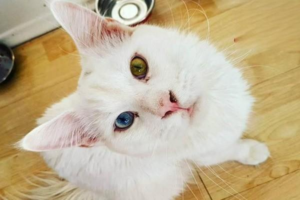
Why Isn’t a Neutered Male Cat Urinating?
No urination within 24 hours after neutering is normal, wound pain; beyond that, watch for stress-induced cystitis, urinary infection, stones, or even kidney failure, male cats are prone to urinary blockages. Diagnosis needs urine and blood tests plus imaging; treatment ranges from antibiotics and diuretics to stone removal or kidney support.

Type 1 and Type 2 Diabetes in Cats
Cat diabetes comes in two types, split mainly by how much the cat depends on insulin. Any cat can get it, but older, neutered, male, and obese cats are more at risk. Learn the causes, signs, and treatment of feline diabetes.
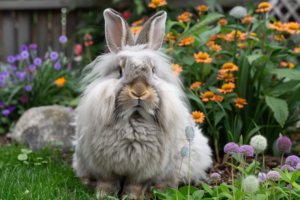
Why Do Rabbits Get Urinary Stones?
Low water intake is the most common cause of urinary stones in rabbits, but too much calcium and natural physiology also play a role. Learn the causes, signs and care.
What Disease Causes Blood in Cat Urine?
Blood in cat urine usually means urinary stones or infection, with straining to pass small amounts. This guide covers the causes — low water, intact status, stress — and the tests and meds to use.
Signs That Your Cat Is Sick
Cats hide illness, so watch for odd urination or weight change, shifts in social behavior, appetite and coat changes, and stress, voice, or breath changes. Catching sickness early is what saves them.