Search Results
117 results for “stress urination”
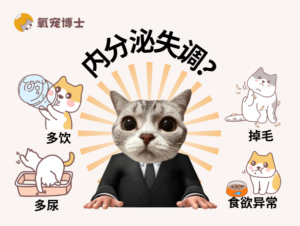
Hair Loss and Excessive Urination? Symptoms of Hormonal Imbalance in Cats
Feline hormonal (endocrine) imbalance is not one disease but a sign of disorders such as hyperthyroidism, diabetes, Cushing's syndrome, or hypothyroidism. Hyperthyroidism brings ravenous appetite with weight loss, thirst, and overactivity; diabetes causes the 'three polys plus weight loss' and weak hind legs; hypothyroidism shows as lethargy, weight gain, and a dry, thinning coat. See a vet for blood and urine tests if you notice these signs.

What Causes Stress in Cats
Cat stress comes from many things: environment changes, lack of company, noise, broken routines, household conflict, and health issues. Keep the home stable and quiet, stick to a routine, respect its boundaries, and see a vet if urination, appetite, or vomiting problems appear.
Cat Stress Reactions and How to Ease Them
Stress is the most common feline behavior problem and a driver of many diseases. Triggers include new homes, vet or grooming visits, noise, household changes, and resource competition in multi-cat homes. Signs range from acute fear to chronic hiding, over-grooming, and aggression. Ease stress with a calm space, play, pheromones, and a vet check.

Cat Stress: Signs and What to Do
Basic knowledge about stress reactions in cats.
Why Cats Urinate Outside the Litter Box
Cats are naturally fastidious, so inappropriate urination almost always points to a solvable issue, a dirty or cramped litter box, hormonal marking, stress, or a urinary problem. Identifying the trigger is the first step to fixing it.

What to Do When a Dog Has Urethral Discharge (Pus)
Canine urethral abscess results from urethral inflammation in dogs and requires prompt medication. Bacterial infection of the dog's urethral mucosa is also called a urinary tract infection, medically known as urethritis. Main symptoms include painful urination, urethral swelling, sensitivity of the urethral opening, redness and swelling of the urethral orifice, and difficulty inserting a catheter, more commonly seen in dogs.

Can Dogs Get White Hair?
Today we learn that white fur on a dog can signal premature aging.

Feline Lower Urinary Tract Disease (FLUTD): Causes, Signs and Treatment
Feline lower urinary tract syndrome (FLUTD) is divided into obstructive and non-obstructive types. Obstructive means the urethra is fully or partially blocked. Within 2–3 days of complete blockage, urine retained in the bladder flows backward to the kidneys; this back-pressure suppresses glomerular filtration, causing waste and toxins to accumulate in the blood and leading to uremia. If not treated within 3–6 days, the cat can die. The non-obstructive type is milder; with prompt catheterization and proper daily care, it largely resolves on its own within a week.
Can Cats Get Diabetes?
Diabetes is a multi-cause metabolic disease marked by chronic high blood sugar, from defective insulin secretion causing disorder of carbs, fat, and protein metabolism.

Essential Medicines and Supplements for Cats
With the cat economy, cat ownership is rising fast. Whether bought or adopted, they are beloved companions. A word: since you keep it, be loyal, treat it well, love it.