Search Results
2140 results for “stool color”

Signs Your Dog Has a Heavy Internal Parasite Load
Dog owners know a dog's environment easily breeds parasites. Without regular deworming, parasites accumulate inside and out, harming health. Here are the signs your dog has many internal parasites.

What If Your Dog Won’t Eat or Drink All Day
If your dog eats or drinks nothing all day, the harm is severe—act quickly to help it eat and restore energy. Here is what to do when a dog loses its appetite.

Understanding Dog Digestive Issues
Dogs digest fast but still get upset stomachs—vomiting, diarrhea, lethargy. Causes range from overeating and regurgitation to acute gastritis and spoiled summer food. Watch for parasites too.
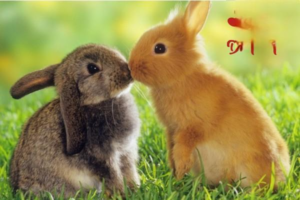
Massaging a Bloated Rabbit
Massage can relieve rabbit bloat by restoring gut motility—often more gently than drugs. Use light, clockwise strokes and never try to break up hard masses in the intestine.

Canine Coronavirus in Dogs
Canine coronavirus is a contagious gut infection causing vomiting and diarrhea, especially dangerous to puppies. There is no targeted cure, so treatment stabilizes symptoms while prevention relies on hygiene and avoiding crowded dog areas.

Rabbit Bloat: Causes and Care
Rabbit bloat stems from slow gut motility due to low fiber or dehydration, and can progress to deadly gut stasis. Catch it early with high-fiber feeding and hairball paste, and see a vet if your rabbit stops eating or pooping.

How to Help a Thin Cat Gain Weight
A thin cat may be underweight due to genetics, poor diet, parasites, digestive disease, or dental issues. Rule out illness with a vet first; then raise the diet's nutritional density, feed small frequent meals, and add gentle play to boost appetite and build a healthy body.

Why Is My Cat Lethargic and Sleeping All Day?
Cats naturally sleep 12–18 hours a day, so lots of sleep isn't always illness. But if a cat can't be woken, seems dull when awake, or shows reduced urine, soft stools, fast breathing, appetite loss, or eye/nose discharge, it may be sick and should see a vet.

How to Support a Cat with a Sensitive Stomach
Some cats have notoriously delicate digestions—the so-called glass stomach—prone to soft stools, diarrhea, and vomiting. The key to managing it is diet. Choose a limited-ingredient, single-protein hypoallergenic food, feed small meals several times a day, and always transition new food over seven days. Pet-specific probiotics (mixed into water below 40°C so the live cultures survive) help rebalance gut flora, while a calm, low-stress home prevents flare-ups. If symptoms persist or worsen, a vet check and possibly a prescription gastrointestinal diet are the right next steps.

What Causes Intestinal Intussusception in Dogs?
Intestinal intussusception in dogs is mainly caused by intestinal stasis, twisting, or prolapse, and playful puppies with big appetites are especially prone. Over-hunger, cold milk, poor food, and cold water can trigger it, as can secondary diseases. Symptoms include vomiting, abdominal pain, and appetite loss; seek veterinary care promptly to avoid a life-threatening blockage.