Search Results
2140 results for “stool color”

How to Tell If Your Dog Has Roundworms
Roundworms show as constipation or diarrhea (sometimes worms in stool), poor appetite, nausea, weight loss, dry coat, and itchy skin. A vet confirms by fecal exam, clinical signs, or ultrasound when heavy. Deworm with the right drug, keep a regular schedule (pups monthly, adults every 3 months), and maintain hygiene and diet control.
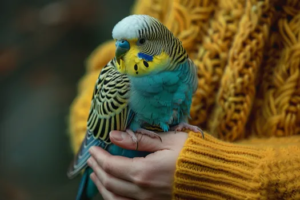
What to Know When Raising a Myna as a Beginner
New myna owners should pick a lively, healthy bird with glossy feathers, give a right-sized cage with toys and space, feed a balanced diet of special myna feed plus fruit, vegetables, and nuts, and let it adapt quietly. Socialize daily, keep the cage clean, train gently, and watch for signs of illness.

Should You Wipe a Cat’s Bottom After It Poops?
Normally you needn't wipe a cat's bottom - stools are formed and the cat grooms itself; wiping makes it lazy. Only clean it if diarrhea soils the fur. Also, a cat's no-touch zones are the butt, belly, tail, and paws; strangers should avoid them and start with the back.

What to Do When a Rabbit Eats Only Pellets and Refuses Hay
Rabbits need hay for fiber, gut health, and teeth grinding. Refusal comes from taste preference, new environment, or poor hay quality. Fix it by cutting pellets gradually, offering varied hays (alfalfa, timothy, etc.), and keeping hay fresh. Watch intake, weight, and droppings.
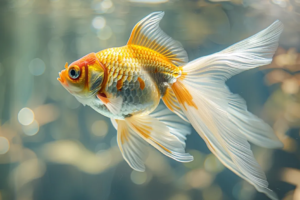
Signs Your Goldfish Is Overfed
Overfed goldfish may rub on the glass, swim tilted, sit on the bottom, or float belly-up, sometimes with white or yellow stool. Ease it with water changes, warmth, current, and oxygen to aid digestion. Overfeeding badly strains the gut and can cause inflammation, so feed small, frequent meals and control portions — usually 1-2 feeds daily, more in hot weather.

What to Do When an Arowana Has Enteritis
Enteritis is common in arowana, with several causes that need different treatments. This article covers the common causes and how to treat each.
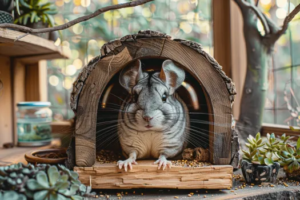
What Is a Chinchilla’s Personality Like? Key Things to Know Before You Get One
Chinchillas—also called velvet rats—have dense, soft fur and a gentle, non-aggressive temperament, which makes them a favorite pet. This article covers their fur, personality, lifespan, and diet so new owners know what to expect.

Why Is My Hamster Constipated, and What Should I Do?
Constipation is miserable for anyone—and even a tiny hamster can get it, especially in winter when many become lethargic and lose appetite. This article explains the common causes of hamster constipation and how to relieve it by severity.

Causes and Treatment of Diarrhea in Hamsters
A hamster's gut is sensitive; dirty or watery food and a dirty cage can all cause diarrhea. Left untreated, diarrhea leads to dehydration and death, so don't ignore it. This article covers the causes and how to treat it.

How Much Does an Adult Golden Retriever Weigh, and What If It’s Too Thin?
Adult male golden retrievers should weigh 27–34 kg and females 25–32 kg. If yours is underweight—usually from poor nutrition, parasites, or weak digestion—improve the diet, deworm regularly, and support gut health to help it gain.