Search Results
2137 results for “stool color”
Dog Bloody Stool and Vomiting: Causes and Solutions
Dog vomiting with blood in the stool can stem from simple overeating, gastroenteritis, serious viral disease (distemper or parvovirus), or parasites. Overeating and rough play after meals cause acute vomiting; gastroenteritis brings recurring diarrhea and sometimes blood; parvovirus shows lethargy, foul diarrhea, and respiratory signs; long gaps since deworming point to parasites. See a vet for diagnosis, fast the dog, and use probiotics to support recovery.
What causes a cat to pass blood in its stool?
Blood in a cat's stool can come from acute gastroenteritis, panleukopenia (feline distemper), or a parasite infection, and only screening confirms which. Get a vet work-up - blood count, distemper antigen, fecal exam - then treat the cause: gastroenteritis or distemper usually needs fluid therapy, while parasites are handled by deworming.
Does loose stool mean my dog has parvovirus?
Soft stool in dogs can stem from many causes—a chilled abdomen, a sudden diet change, parasites, indigestion, enteritis, or an infectious disease—so the real cause must be judged from the situation. While parvovirus does cause diarrhea, loose stool alone is not enough to diagnose it; parvovirus usually also brings reduced appetite, fever, vomiting, and foul-smelling stool. If you suspect it, have your dog tested with a PCR or antigen test, since a positive result confirms the infection.
I just brought a kitten home and noticed a white film over its eyes; now its eyes are discharging pus, and it won’t eat or drink or pass stool, only occasionally licking water and egg yolk
The heavy eye and nose discharge suggests a contagious disease such as feline rhinotracheitis, so a vet visit is urgent before the kitten's condition worsens from not eating. If a clinic isn't immediately accessible, clean the eyes, apply a pet-safe anti-inflammatory eye drop, and offer electrolytes, but these only ease discomfort and full treatment still requires a vet.
Why is my dog leaking or spraying stool?
Leaking or spraying stool is usually a sign of diarrhea from parasites, a chill, improper diet, or indigestion. Internal parasites such as roundworms, whipworms, or hookworms cause loose stool along with poor appetite, vomiting, stunted growth, and a dull coat, and need prompt deworming. Greasy or unclean food can also upset the gut. Because the causes vary, treatment should target the underlying reason.
What does normal cat stool look like?
Normal stool is brown (yellowish on a raw-meat diet). Black or blood-streaked stool means GI bleeding—see a vet. Ideal stool is medium-firm, smooth, mildly odorous; soft, loose, or very foul stool suggests GI or metabolic disease.
What happens if a dog often holds in its stool?
Holding stool causes constipation and toxin re-absorption that can harm the liver and kidneys; ensure regular toilet breaks and fix the cause.
My dog has yellow watery stool, seizures, and feels cold — what’s wrong?
A dog with yellow watery stool and continuous seizures is mainly considered poisoning or canine distemper virus infection. A cold body means it has lost body heat; keep it warm promptly and take it to a vet quickly to find the cause and treat it. If poisoned, give fluids promptly to metabolize the toxin and protect the liver and kidneys. If you know what toxin it ate, use the corresponding antidote.
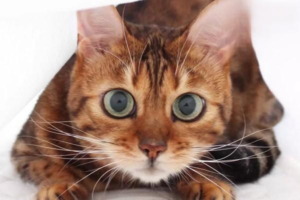
Why Cats Get Soft Stools and Diarrhea — and How to Help
Most recurring soft stools in cats trace back to food — intolerance, allergy, or a too-fast diet change — on top of a naturally delicate gut. Slow transitions and the right gut support resolve many cases without a trip to the clinic.

Why Does My Cat Have Soft Stools?
Soft stools in cats point to a digestive problem—most often a sudden food change, intestinal parasites, overeating, or gastritis. A gradual 7-day food transition, regular deworming, and portion control usually fix it; ongoing cases need a vet.