Search Results
2137 results for “stool color”
My cat had loose stools after eating thawed canned food and is now lethargic with no appetite
Sudden canned-food change can cause gastroenteritis; fast briefly, use probiotics and anti-diarrhea meds, and see a vet if it worsens.
My dog has soft stool but is energetic — what should I do?
Likely parasites, indigestion, or mild infection. Give probiotics and a light diet; if no improvement in a day, use anti-diarrheal or see a vet for testing.

New Puppy Has Soft Stools or Diarrhea at Home? Don’t Panic
A puppy that develops soft stools or diarrhea within two days of arriving home is common and usually a stress reaction, sudden food change, or temperature swing, especially in weak pups from poor breeding sources. Their digestive systems are immature and easily upset. The right response: keep the environment calm and warm, stop switching foods, and feed only what the breeder used, in 4-5 small meals a day, or a bland congee of lean meat, chicken, or millet. A pet-specific live probiotic helps restore gut balance. If it persists, see a vet to rule out parasites or infections like parvovirus, which bring lethargy, vomiting, and fever.
Dog Gastroenteritis with Bloody Stool: A Recovery Case
A 5-year-old dog passed soft stool with a little blood at the end for nearly a week, yet kept a good appetite and energy—pointing to chronic enteritis or gut overload rather than a severe acute illness. With gut-protecting, antibiotic, and probiotic support plus a bland diet, the stool normalized within a day. The case shows how diet and the right care heal a fragile gut.
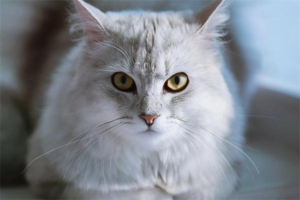
What Causes Watery Stool in Cats?
Watery stool in cats can stem from diet, digestion, or disease, and the fix depends on the cause. Drinking too much water or eating very moist food can loosen stools, as can irregular, all-you-can-eat feeding that upsets a sensitive gut—here, pet probiotics help restore balance. Parasites and viruses are more serious: worms in the stool signal a parasite infection needing deworming, while an unvaccinated cat with watery diarrhea may have a dangerous viral infection and needs a vet fast. If diarrhea lasts or comes with other symptoms, see a clinic. Prevent it with measured feeding, regular deworming and vaccines, and a clean, disinfected home.
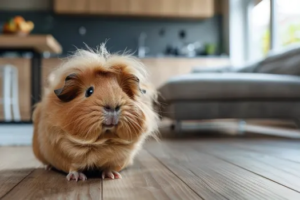
Why Does Your Hamster Have Soft Stools?
Hamster soft stools can stem from diet, infection, water, or stress. A fragile digestive system reacts badly to too much fruit or vegetable, moldy food, or unbalanced feed; bacteria or viruses can inflame the gut; poor or scarce water upsets it; and heat, environmental change, or fright lowers immunity. If you see soft stools, cut back on produce, check the water source, switch to a balanced diet with more protein and fat, keep the cage clean, and consider probiotics or medication for serious cases. If stools come with poor appetite or low energy, see a veterinarian promptly.

Medicines for Pet Diarrhea and Soft Stools
A common myth is that probiotics fix diarrhea; they help soft stools but work weakly against true diarrhea. For active diarrhea, an anti-diarrheal liquid paired with live probiotics works best, with clear dosing by weight. This guide also covers when to stop, how to feed during recovery, and when a prescription diet is the answer.
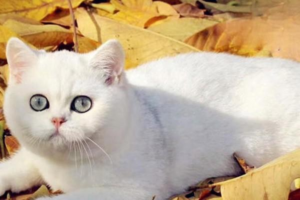
Choosing Food for a Cat With Chronic Soft Stools or Diarrhea
Low-fat diets are often prescribed for cats with chronic digestive trouble, borrowed from human thinking, but is that right for an obligate carnivore? A controlled study of sixty cats with chronic diarrhea found no real difference between low-fat and high-fat diets, and that cats handle animal fat efficiently. The takeaway: choose food built on quality animal protein and fat rather than worrying about fat level.

Why Is My Dog’s Stool Soft or Unformed, and What Helps?
Soft, unformed stool in dogs has several causes, from a simple upset after the wrong food to gastroenteritis, parasites, or even a viral infection. The right response depends entirely on the cause, so guessing at medicine can waste time. This guide walks through the four common reasons—indigestion, gut inflammation, internal parasites, and viruses—and the matching treatment, from probiotics to a timely trip to the clinic.
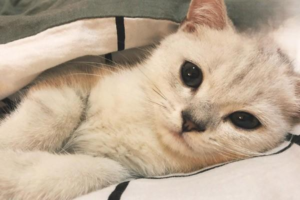
Soft Stools After Switching Cat Food? Here’s Why
Cats are built for high protein, so a new high-protein food alone shouldn't cause trouble—but sudden switches often do. Long-fed low-protein diets leave the gut making few protein enzymes, so a jump to rich food causes indigestion, vomiting, and loose stools; use the 7-day transition. If soft stools persist, it may be an allergy to a specific animal protein or a filler like pea; try a different protein or a single-source food. Also note many foods use beet as a mild anti-diarrhea agent, so dropping it can loosen stools—and weak-stomached cats do better on set mealtimes.