Search Results
2142 results for “stool color”

What to Do If Your Cat Has Tapeworms
Tapeworms cause belly discomfort, diarrhea, vomiting, weight loss, dull coat, and shedding; heavy infections shed visible segments near the anus, making the cat scoot or lick. Cats catch them by eating infected fleas, mice, or birds, through mother's milk, or from a contaminated environment. Treatment is a dewormer with praziquantel, fenbendazole, or albendazole plus probiotics, and strict flea control plus regular deworming prevents reinfection.
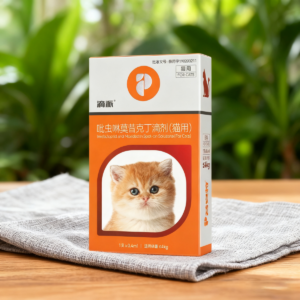
Budget Cat Deworming: What to Look For
Even indoor cats can pick up parasite eggs on shoes, clothes, or parcels, and skipping treatment risks itching, anemia, and poor growth. The aim is not the priciest product but a safe, licensed one used correctly. This guide explains why cats need deworming, what a good spot-on covers (the broad-spectrum imidacloprid-plus-moxidectin pair and heartworm prevention), and how to choose on safety, credentials, and monthly cost rather than sticker price. In mosquito-heavy regions, a heartworm-preventing product used monthly is especially important.
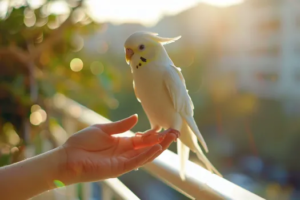
Why Your Budgerigar Has Recurring Diarrhea
Recurring diarrhea in budgerigars comes from poor diet, stress, parasite or bacterial infection, or chills. Long transport, fright, or a sudden move stresses the bird and upsetts its gut, usually easing as it settles; probiotics and calming help. Sudden feed changes, overeating, or spoiled food also trigger loose droppings. Parasites, bacteria, or a cold from low temperatures need a vet. A simple home mix of oxytetracycline powder and probiotics can settle mild cases.

Beal’s Eyed Turtle
A rare, China-endemic, largely vegetarian water turtle with four 'eye-spots' on its head - sensitive to water quality and of conservation concern.

Asian Giant Turtle
Asia's largest hard-shelled semi-aquatic turtle - a temple favourite, long-lived, and of conservation concern across Southeast Asia.
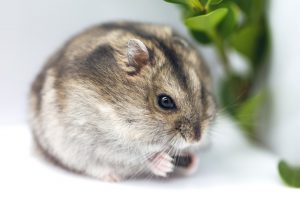
Winter White Dwarf Hamster
The Winter White Dwarf Hamster (Phodopus sungorus), also called the Djungarian hamster or Russian dwarf, is the easiest and tamest of the small hamsters and turns white in winter. A solitary species, it needs a safe cage, a wheel, and a careful diet free of onion, chocolate, and apple seeds. Lifespan 2–3 years.

Dutch Rabbit
The Dutch Rabbit is a small, distinctly marked pet rabbit with a white inverted-V on the face and a sharp color split between front and back. Gentle, smart, and nearly odorless, it needs timothy hay, a chew stick, steady 25–32°C, and a wire-free, dry cage. Lifespan about 5–7 years.
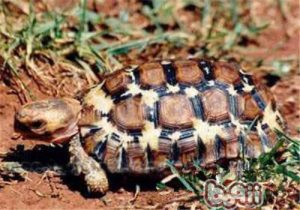
Lobatse Hingeback Tortoise
The Lobatse hingeback tortoise (Kinixys lobatsiana) is a relatively dry-adapted hingeback found in Botswana and South Africa. Though its range has two distinct rainy seasons, its habitat remains very hot overall, and it is seldom kept due to its rarity and similarity to other hingebacks.

Exotic Shorthair
The Exotic Shorthair — everyone's "Garfield cat" — pairs the Persian's plush look with a short, easy-care coat. Sweet, calm, and affectionate, it's one of the most laid-back cat breeds to live with.

Canine and Feline Splenic Tumors
Splenic tumors in dogs and cats may be primary or spread from other sites, and often stay silent until the spleen is already enlarged, causing bloating, pain, or anemia. Hemangiosarcoma can rupture and bleed dangerously, making prompt care essential.