Search Results
2142 results for “stool color”

Why Do Dogs Get Intestinal Obstruction?
The most common cause of dog intestinal obstruction is swallowing a foreign object the gut cannot pass, with constipation from dry, hard stool as another frequent trigger. Lack of trace elements can cause pica that leads to eating odd things, and fast or large meals also play a role. Signs are frequent vomiting, early diarrhea that stops once the bowel empties, bad breath from gut fermentation, and abdominal pain with the dog biting or staring at its belly. Ultrasound or X-ray shows the blockage, though string may need a barium study. Treat early to avoid worse damage.

Enrofloxacin for Pets: What It Treats and Key Safety Notes
Enrofloxacin is a third-generation fluoroquinolone antibiotic made for animals. It works by blocking a bacterial enzyme needed for DNA replication, and it is commonly used for urinary, reproductive, digestive, and skin or soft-tissue infections in dogs and cats. It is prescription-only: typical oral dosing is 5–10 mg/kg per day, and several groups should never receive it. Always follow your veterinarian's plan.

Why Do Guinea Pigs Eat Their Own Droppings?
Guinea pigs eating their droppings is normal, since the stools still hold nutrients they reabsorb, and the process also supplies probiotics. Still, it is best to discourage it. Control portions so food is fully digested and fewer nutritious stools are passed, and clean the cage right after they defecate to remove the chance. Feed a balanced mix of pellets, hay, greens, and fruit, and note guinea pigs cannot make their own vitamin C, so include vitamin-C sources daily.
Why does my cat fart silently but smell terrible?
Normal if occasional - protein digestion produces odor. Frequent gas suggests fast or over-eating; give probiotics, feed small meals. Watch for soft stool.
What are the symptoms of feline distemper (panleukopenia)?
Loss of appetite, vomiting, diarrhea, lethargy, bloody stool, rapid weight loss; later low blood sugar, shock, seizures. Urgent vet care needed.

Is Yellow Dog Urine Always a Sign of Internal Heat?
Yellow urine in dogs is not always from internal heat; it can also mean low water intake, liver trouble, or urinary tract issues, so judge by the actual cause. If it is simple internal heat, lighter meals and more water clear it up fast. Persisting yellow urine, especially with blood or painful urination, warrants a vet visit to check the liver or urinary system. Infections are usually bacterial and need veterinary antibiotics plus a urinary prescription diet and good hygiene.

Can You Give a Dog Smectite Powder for Diarrhea?
Smectite is an absorbent anti-diarrheal that soaks up excess water and toxins in the gut, and a vet-formulated version can help a dog with ongoing diarrhea from dietary upset by firming the stool. Use the correct animal product and dose, since wrong amounts risk side effects, and check with a vet first. Other options include bismuth subcarbonate, kaolin, or probiotics. Diarrhea also comes from diet changes, bacterial or viral infection, or parasites, each needing its own approach, so a fecal test and veterinary guidance are best before medicating.

CoQ10 for Pets: What It Is and How to Choose a Quality Supplement
Coenzyme Q10 (CoQ10) is a fat-soluble compound that helps cells produce energy, and it is concentrated in the heart, kidneys, liver, and brain. As cats and dogs age, their ability to make CoQ10 declines, which is why it is often discussed as a heart-support supplement. This guide explains what CoQ10 does, which pets are most likely to benefit, how to judge a supplement's real quality, and practical feeding tips — so you can make an informed choice instead of relying on marketing claims.
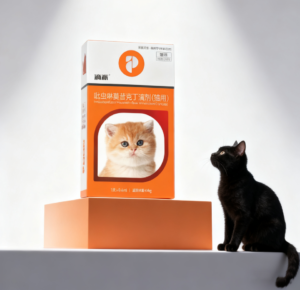
Cat Dewormers Compared: How to Choose the Right One
More than half of household cats are estimated to carry at least one parasite at some point, with fleas, roundworms, and heartworm among the most common. Regular, science-based deworming can sharply lower that risk and protect both cat and owner. This guide compares the main types of cat dewormers by their active ingredients and explains how to match a product to your cat's age, lifestyle, and parasite exposure, so you can build a safe, sustainable routine without relying on brand hype.

How to Choose a Dewormer for Your Dog: A Science-Based Buying Guide
Choosing a reliable dog dewormer comes down to three things: a verifiable veterinary license, a broad-spectrum active ingredient that covers the parasites your dog is actually exposed to, and a price you can sustain month after month. Internal parasites (roundworms, hookworms, whipworms, heartworm) and external ones (fleas, ticks, lice, ear mites) require different actives, so a combined product or a matched pair is usually the most efficient plan. This guide explains the core selection criteria and the most common mistakes owners make, so you can protect your dog and your household without overspending.