Search Results
112 results for “small pet illness”
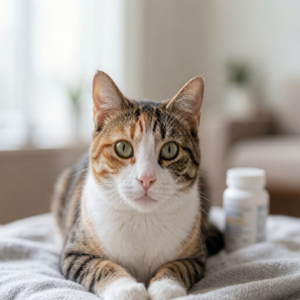
Can Deworming Kill a Cat? Understanding the Rare but Real Risk
In one reported case, a cat given both a topical and an oral dewormer at the prescribed dose vomited severely through the night and died of dehydration despite IV fluids. It is rare, but it shows deworming is not trivial. Possible causes: an acute allergy to ingredients like albendazole or selamectin (throat swelling, breathing failure, anaphylactic shock); hidden liver or kidney disease that slows drug clearance, worsened by using both products together; stress from rough handling triggering latent illness; and poor management of complications like prolonged vomiting causing low potassium or aspiration pneumonia. To stay safe: dose strictly by weight and age, space topical and oral products 3-5 days apart, and rush to a vet if vomiting exceeds twice an hour.
Bringing Home a 2–6 Month Old Puppy or Kitten: A Complete Care Checklist
A new 2–6 month old puppy or kitten is fragile, and mistakes in the first weeks—too much handling, wrong food, missed vaccines—can cause stress, illness, or worse. Start by letting the pet settle alone for 1–2 hours before gentle interaction; keep the same food it had before (soak kibble if needed) and feed 3–4 small meals a day. Watch the first week closely, since transport can expose them to panleukopenia, cat flu, distemper, or parvovirus on top of stress. The vaccine and deworm timeline matters: deworm first, wait at least 7 days, then vaccinate (dog multivalent from ~45 days, three shots 21 days apart, rabies at 3 months; cat FVRCP from 2 months, three shots 28 days apart, then rabies). Don’t bathe, delay outings until vaccinated, and never feed toxic people foods like grapes, chocolate, coffee, or avocado.
Is It Normal for Dogs to Eat Poop?
About 80% of dogs that eat feces are showing normal behavior, not a disease or a nutrient deficiency. It is tied to evolution, digestion, and instinct rather than bad hygiene. Mother dogs may eat puppies’ feces to hide scent from predators and keep the nest clean; puppies often copy adults or explore the smell of undigested food. But long-term coprophagia with a thin body, frequent soft stools, or low energy deserves attention. This article separates normal from concerning causes—hunger, poor absorption, anxiety, or attention-seeking—and gives vet-style fixes: prompt cleanup, better diet, probiotics, and more companionship.
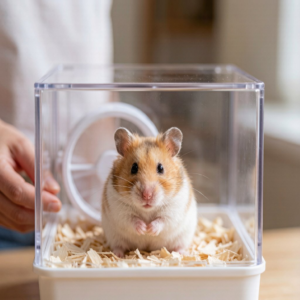
Essential Hamster Care: What Every Owner Should Know
Keeping a hamster healthy and extending its lifespan depends above all on proper husbandry. Before bringing a hamster home, owners should prepare a spacious cage with suitable bedding, a food bowl, a water bottle, and an exercise wheel, then keep the enclosure clean and disinfected on a regular schedule. A balanced diet built around a high-quality hamster mix, supplemented with small amounts of fruit and vegetables, and constant access to fresh, safe drinking water are equally important. This guide covers the fundamentals of scientific hamster care: building a comfortable habitat, providing nutritious food and clean water, maintaining a tidy living space, encouraging daily exercise, reducing stress, and managing temperature through the seasons. With the right setup and routine, even first-time owners can help their pet thrive.
Signs a Guinea Pig Dislikes Its Owner
Guinea pigs are popular small pets, but they do not always adore their owners, and sometimes they show clear dislike that leaves owners puzzled. Common signs include sharp squeals aimed at you when unhappy, and biting when they feel threatened, such as after a sudden grab or pet. A guinea pig that dislikes you will avoid coming near, refusing your food or touch, and may flee to a corner, under furniture, or scramble inside the cage when you reach for it. The causes are usually practical: an uncomfortable environment with cold or swinging temperatures, poor or unsuitable food, too little companionship for this social animal, or illness that makes it fretful. To rebuild trust, meet its basics with a cozy home, fresh food and water, and clean housing; spend more calm time together through gentle handling and feeding; learn its nocturnal habits and interact in the evening; and stay consistent and patient so it slowly learns to trust you.

What to Do If Your Dog Is Too Thin?
A thin dog is most often undernourished, but disease, digestion problems, tumors, or parasites can also cause weight loss that needs veterinary attention. Start with a high-quality, balanced diet suited to the dog's age and activity, add easily digested protein such as cooked chicken, fish, or egg, and feed smaller meals more often to improve absorption. Light daily exercise boosts appetite and metabolism. If good feeding and exercise do not help, or the dog is naturally a slender breed but otherwise healthy, a vet check rules out hidden illness.

Dog Gastroenteritis with Bloody Stool: A Recovery Case
A 5-year-old dog passed soft stool with a little blood at the end for nearly a week, yet kept a good appetite and energy—pointing to chronic enteritis or gut overload rather than a severe acute illness. With gut-protecting, antibiotic, and probiotic support plus a bland diet, the stool normalized within a day. The case shows how diet and the right care heal a fragile gut.
How Much Does It Cost to Keep a Dog Per Month?
Monthly dog ownership costs cover food, treats, chew toys, bathing, and parasite prevention, varying by breed, age, and lifestyle. In a typical city, budget at least 700–900 yuan a month, rising to around 1,500 yuan or more with extras like grooming, vaccines, supplies, or illness. But money isn't the whole cost—dogs also need your time, energy, and love. Make sure you're financially and mentally ready before bringing one home; the companionship they give is beyond price.

Why Does Your Cat Eat but Stay Thin? (Worms and More)
A cat that eats well but stays thin is often fighting intestinal parasites—roundworms, tapeworms, hookworms, giardia, or coccidia—that steal nutrients and release toxins interfering with digestion, causing slow or lost weight, anemia, and poor growth. Tell-tale signs include soft stools, rice-like segments near the anus, scooting, pale gums, and a swollen belly. But worms are not the only cause: poor absorption, hyperthyroidism or diabetes, repeated heat cycles, or a low-protein diet can also keep a cat lean. The fix is a tailored deworming plan plus gut probiotics and high-protein meals; spaying helps if heat is the driver. See a vet if weight keeps dropping.
Do Guinea Pigs Need Baths?
Yes—guinea pigs need baths. As small pets they live in easily soiled spaces, and without regular washing, dirt builds up, they smell, and health suffers. A bath cleans the coat, cuts bacteria and parasites, and lowers disease risk, and it is also a nice bonding moment where you learn your pet's habits. Aim for 2–3 baths a month; over-bathing strips the skin's natural barrier and causes dryness and itching. Use lukewarm water (35–38°C), guinea-pig-specific tub and shampoo—never human products—and dry thoroughly with a towel and low-heat dryer to prevent chills. For pigs that hate water, a wipe-down with a damp cloth or pet cleaning spray works too.