Search Results
122 results for “small pet illness”
Why Is My Chinchilla Losing Weight (and What to Do)
A chinchilla that grows thin usually points to poor nutrition, illness, stress, or its surroundings. Chinchillas are herbivores whose main food is grass, needing protein-rich, balanced feed—special pellets, hay, and a little fruit and vegetable. Long-term wrong feeding starves them of nutrients. Health issues like parasites, digestive trouble, or dental problems also cut how much they absorb, so a slimming chinchilla with a normal diet needs a vet. A damp, dirty, or noisy home kills appetite, and anxiety from frequent moves or other pets does too. Keep the diet balanced, the cage clean and quiet, and stress low to bring the weight back.
Chinchilla Twitching: Causes and How to Respond
Occasional mild twitching or trembling in a chinchilla can be perfectly normal—chinchillas often flick their faces to sense air currents and check for danger. However, repeated or severe twitching may point to a nutritional imbalance, chronic stress, or an underlying illness. Calcium or vitamin B1 deficiency, loud or bright stressful environments, and conditions such as liver disease, diabetes, epilepsy, or poisoning can all trigger muscle spasms. Because twitching can be an early warning sign, owners should observe their pet closely and seek veterinary care if the behavior is frequent or comes with other symptoms. A balanced diet, a calm and comfortable habitat, and stable temperatures are the best preventive measures.
How to Care for a Dog with Pancreatitis
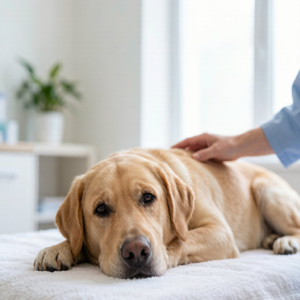
Pancreatitis is a high-risk digestive emergency, especially common in overweight middle-aged and senior dogs, and it often returns even after recovery — so proper home care matters as much as treatment. During a flare-up, withhold food and water immediately and see a vet; never self-medicate. After discharge, feed a prescription diet under 10% fat (regular food is 15–20%+), split into 4–6 small meals, and strictly avoid all high-fat foods such as fatty meat, organ meats, fried food, and rich treats. Keep your dog warm to protect the abdomen, allow only gentle short walks, follow the medication plan exactly, and return for regular pancreatic checks. Controlling weight is the best prevention — obese dogs are over three times more likely to develop pancreatitis.
What to Do When Your Guinea Pig Won’t Drink Water?
Guinea pigs need a steady supply of fresh water, and refusing to drink can quickly lead to dehydration and digestive trouble. The cause is often practical rather than medical: too much moisture in their food, stale or dirty water, a poorly placed bottle, or simply a bad habit. Most cases improve once you trim watery produce, switch to a proper small-pet water bottle at the right height, keep it scrupulously clean, and gently train your pet to use it. If a sudden refusal to drink comes with low appetite or lethargy, see a veterinarian to rule out illness.
Common Causes of Coughing in Dogs
Coughing in dogs most often points to a problem in the respiratory system, but it can also come from heart disease, infectious illness, a swallowed object, or even a fracture. Watching the type of cough - wet, dry, weak, or continuous - and noting whether the dog also loses appetite, runs a fever, or has nasal discharge helps you and your vet pin down the cause. A wet cough with phlegm suggests airway disease, a harsh dry cough may be kennel cough, a weak cough can mean pneumonia, and a repeated dry cough may signal heart trouble. Many conditions from roundworms to heart failure, tracheal collapse, pneumonia, and distemper can all show up as coughing, so persistent or severe cases deserve a veterinary check.
Canine Parvovirus: Symptoms and Treatment
Canine parvovirus is an acute, highly contagious infection that hits puppies hardest and carries a high death rate. It shows as either severe hemorrhagic enteritis or sudden heart failure, and because mixed infections are common, quick recognition matters. Supportive care, fluids, and vaccination are the cornerstones.
What If Your Cat Licks Rubbing Alcohol?
A small lick of rubbing alcohol usually does little harm—watch your cat's appetite, mood, and litter habits, and if nothing is odd, it is fine. But cats cannot metabolize alcohol, so a larger amount damages the liver and other organs and needs urgent veterinary care: induced vomiting and stomach flushing. For wounds, clean with povidone-iodine (gentler than alcohol) and fit an Elizabethan collar so the cat cannot lick the site. Store alcohol and other irritants where cats cannot reach them. Knowing the dose is what decides whether a lick is harmless or an emergency.
How to Train a Dog to Sleep in Its Bed
Many dogs resist the bed at first, but training matters: it gives them quiet rest, security, and protects their health. Start by placing the bed in a quiet, warm spot and letting the dog sniff and inspect it, with favorite toys or a towel inside to lure it in. Reward entry with treats or toys to build a positive link, then gradually lengthen time in bed. Keep a consistent sleep schedule by putting the dog to bed at the same time daily. If it still refuses, the bed may smell wrong or be too small or hard, so adjust it. Never punish; that only builds negative feelings.
Is a Cat That Won’t Eat Just Picky, or Something Worse?
A cat turning up its nose at food is not always simple fussiness. There is a world of difference between a picky eater and a cat with pathological anorexia, and confusing the two can be dangerous, since starving an anorexic cat only speeds decline. This guide shows how to tell them apart, the warning signs that demand a vet, and gentle ways to tempt a reluctant eater back to food.
How to Prevent Gastric Ulcers in Dogs
A gastric ulcer in dogs is a chronic sore between the cardia and pylorus that can penetrate the full thickness of the stomach lining, and most cases trace back to serious illness such as kidney failure or tumors. They arise from stress, drug side effects (especially NSAIDs and steroids, with ibuprofen especially dangerous), excess acid, poor feeding, or toxins and other diseases. Signs include vomit that looks like coffee grounds, belly pain, weight loss, and black tarry stools. Diagnosis uses blood work, X-ray, ultrasound, and endoscopy, and treatment targets the cause while curbing acid with antacids and acid blockers.