Search Results
111 results for “small pet illness”

What to Do When Your Dog Eats but Doesn’t Gain Weight
A dog that eats but stays thin may have low-quality or single-food diet, too little food, too little exercise, an illness (parasites, hepatitis, kidney disease, hyperthyroidism, gastroenteritis), or stress. Feed a rich, high-quality diet in small frequent meals, exercise daily, and see a vet if it's underweight or shows other symptoms.

Why Do Some Dogs Like to Sleep Under the Bed?
Dogs sleep under beds mainly because the den-like space taps an instinct from their wolf ancestors and feels safe; a sudden shift to hiding can signal anxiety (strangers, separation, noise) or illness. It is also cooler in summer and sheltered in winter. To move them to a bed, lure with treats and place the bed by your own bed first, then shift it gradually.

How to Stop Your Cat from Keeping You Up at Night
Cats are nocturnal, so they're active at night and rest by day. Play with your cat more in the daytime and offer a scratching post, cat tree, and toys to burn energy. Feed a small meal before bed so hunger doesn't wake it, and make a quiet, cozy, private sleeping spot with your scent. Keep it away from light and noise, and avoid rough play right before sleep so the cat stays calm.

Thinking of Getting a Blue British Shorthair? Here’s What You Should Know
Before getting a blue British Shorthair, weigh three things: heavy shedding (a short coat that still ranks near the top for hair loss, so brush often), a slow metabolism that makes obesity easy (diabetes, joint wear, heart strain), and inherited diseases — polycystic kidney disease, progressive retinal atrophy, hypertrophic cardiomyopathy — that genetic screening can catch before you bring one home.

What Causes a Cat’s ‘Glass Stomach’?
A cat's 'glass stomach' (chronic sensitivity) usually comes from poor diet (frequent food switches, intolerances, low-quality kibble, human food), irregular feeding, stress, or dental issues. Past illness (panleukopenia, parasites, gastritis, pancreatitis, hairballs) can also damage the gut lining. Fix diet, add probiotics, cut stress, and see a vet for ongoing vomiting, diarrhea, or weight loss.

Is It Normal for a Dog to Be Very Quiet in a New Home?
Most dogs are quiet when they first arrive because the unfamiliar smells, people, and sounds cause stress and anxiety; they usually settle within 5–7 days. Help by offering a calm, cozy spot, a steady routine of feeding and walks, and avoiding over-handling. But if the quiet comes with no eating or drinking for over 24 hours, lethargy, vomiting, fever, or diarrhea, it may signal illness and needs a vet.

Can Chinchillas Get Parasites?
A chinchilla's dense coat makes it hard for most parasites to reach the skin, but contact with infested pets or damp, unsanitary surroundings can still lead to mites, lice, or fleas. Keep the cage dry and clean, check the coat regularly, and see a vet if you spot itching or hair loss.
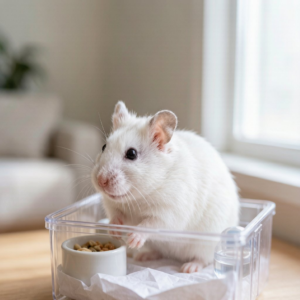
White Bear Hamster: Traits and Care
The White Bear hamster is a type of Teddy Bear hamster with snow-white fur and black or red eyes. Many in the "line" group have a short temper, so they are not ideal for first-time owners. Patience and gentle hand-feeding help them bond. They are nocturnal, timid, and prefer hiding, and do best around 27 C. Because they gain weight easily, a balanced diet keeps obesity and its related diseases at bay.
Are Timid Cats More Prone to Stress?
Timid cats really do stress more easily, spooking at small noises or changes like a stranger visiting or rearranged furniture, and a stress response can range from hiding to vomiting, diarrhea, fast breathing, or even urinary blockage and, in extreme cases, death. Stress is a physical and mental reaction that puts the body on alert and, if prolonged, can damage organs or cause sudden collapse. Timid cats tend to be emotionally rich and very sensitive to environment change, so the fix is a stable, quiet home with few surprises, plus gradual socialization to build confidence. After a stress episode, give space and only comfort once calm; seek a vet if signs are severe or persist.

Can Deworming Kill a Cat? Understanding the Rare but Real Risk
In one reported case, a cat given both a topical and an oral dewormer at the prescribed dose vomited severely through the night and died of dehydration despite IV fluids. It is rare, but it shows deworming is not trivial. Possible causes: an acute allergy to ingredients like albendazole or selamectin (throat swelling, breathing failure, anaphylactic shock); hidden liver or kidney disease that slows drug clearance, worsened by using both products together; stress from rough handling triggering latent illness; and poor management of complications like prolonged vomiting causing low potassium or aspiration pneumonia. To stay safe: dose strictly by weight and age, space topical and oral products 3-5 days apart, and rush to a vet if vomiting exceeds twice an hour.