Search Results
73 results for “slow urination”

Why Is My House-Trained Dog Peeing Indoors?
A house-trained dog that suddenly pees indoors often has a medical cause — a UTI, bladder stones, cognitive decline, kidney disease, diabetes, or Cushing's — or a psychological one like separation anxiety, stress, or fear from past scolding. Rule out illness first with a urine and ultrasound check, then rebuild security with routine and calm alone-time training.
Why Does Your Cat Look So Down After Spaying/Neutering?
That dazed 'nothing-to-live-for' look right after surgery is mostly leftover anesthesia — like a groggy human, the cat wakes up confused and slow, with a blank stare, which reads as sad. It passes as the drug wears off. The strange clinic and a pre-surgery scare also stress the cat, and incision pain can make it quiet or low. Care: watch consciousness and first pee, limit jumps, use an Elizabethan collar, keep the wound clean and dry, and offer water ~3-6h later then soft food.
How often should I change hamster bedding?
In hot summer change bedding every 2 to 3 days due to bacteria and odor; in milder seasons every 1 to 2 weeks. Do not change too often, or timid hamsters get anxious.
Thinking of Getting a Blue British Shorthair? Here’s What You Should Know
Before getting a blue British Shorthair, weigh three things: heavy shedding (a short coat that still ranks near the top for hair loss, so brush often), a slow metabolism that makes obesity easy (diabetes, joint wear, heart strain), and inherited diseases — polycystic kidney disease, progressive retinal atrophy, hypertrophic cardiomyopathy — that genetic screening can catch before you bring one home.

What Are the Signs That a Dog Feels Guilty?
A guilty dog often lowers its head, avoids eye contact, stiffens its body, pins its ears back, and tucks its tail, and may try to appease you with frantic licking or by offering a toy. This guide explains the common signs of canine guilt and how to correct misbehavior with positive reinforcement rather than punishment.

Dog at 7 Is Like a Human at 50: Early Signs of Senior Dog Diseases
At 7, every dog, large or small, has entered its senior years and organs start declining faster. Studies show kidney filtration drops 12-18% and joint cartilage wears three times quicker after 7. Many early signs get mistaken for "normal aging" and missed. Watch for osteoarthritis (stiff rising, hesitant stairs, liking soft beds), dental disease (red bleeding gums, loose teeth, bad breath, favoring soft food), chronic kidney disease (drinking and urinating more, later ammonia breath and weight loss), and cognitive dysfunction (getting lost at home, night waking, forgetting house-training). These diseases can't be cured, but early action slows them and extends life.
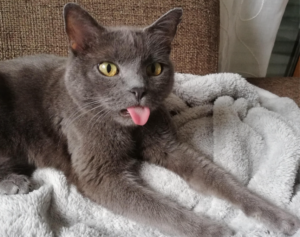
How to Stop Your Cat from Peeing on the Bed
Finding a yellow wet spot on the bed is every cat owner's nightmare. Before anything else, rule out disease: feline lower urinary tract disease (FLUTD) makes urination painful, so cats link the box with discomfort and seek softer spots like the bed. If peeing comes with straining, blood, or constant licking, see a vet. Non-medical causes are a disliked litter box (bad location, poor hygiene, wrong litter, too few boxes in multi-cat homes) and stress or anxiety. Fixes: upgrade the box, scoop twice daily, follow the n+1 rule, ease anxiety with play and pheromone spray, and remove the urine scent with an enzymatic cleaner plus detergent. Most cats return to normal in 2-3 weeks.

Why Does Your Cat Eat but Stay Thin? (Worms and More)
A cat that eats well but stays thin is often fighting intestinal parasites—roundworms, tapeworms, hookworms, giardia, or coccidia—that steal nutrients and release toxins interfering with digestion, causing slow or lost weight, anemia, and poor growth. Tell-tale signs include soft stools, rice-like segments near the anus, scooting, pale gums, and a swollen belly. But worms are not the only cause: poor absorption, hyperthyroidism or diabetes, repeated heat cycles, or a low-protein diet can also keep a cat lean. The fix is a tailored deworming plan plus gut probiotics and high-protein meals; spaying helps if heat is the driver. See a vet if weight keeps dropping.
Signs Your Dog Is Getting Old
A dog's life spans only a little over a decade, and aging creeps in through everyday details rather than all at once. The earliest changes are white muzzles and cloudy eyes, followed by dental trouble, shifting personality, and less stamina. Because organ function declines with age, seniors also show digestive and urinary changes. Spotting these signs early lets you give your older dog the comfort and care they deserve.
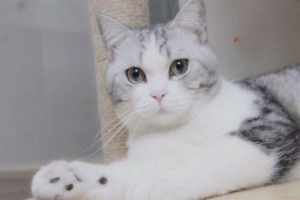
Cat Stress Reactions and How to Ease Them
Stress is the most common feline behavior problem and a driver of many diseases. Triggers include new homes, vet or grooming visits, noise, household changes, and resource competition in multi-cat homes. Signs range from acute fear to chronic hiding, over-grooming, and aggression. Ease stress with a calm space, play, pheromones, and a vet check.