Search Results
73 results for “slow urination”

Signs of Aging in Hamsters and Common Senior Diseases
Hamsters begin aging around 15 months and show clear changes: a thinning coat, hunched back, leaner body, and less activity and appetite. Senior hamsters are prone to kidney failure, tumors, dental problems, cataracts, and constipation — conditions that are manageable but generally incurable, so attentive care is essential.
What Happens Right After a Dog Finishes Its Heat Cycle?
After the heat cycle ends, the dog's mating-related behaviors gradually stop and vaginal discharge ceases while the vulva color fades. If you do not plan to breed the dog, this is a good time to consider spaying.
Dog can’t urinate, only drips.
Causes: 1) urinary disease - infection (amoxicillin-clavulanate or cephalexin, then hydrochlorothiazide); if still blocked, stones need X-ray/hospital. 2) slow metabolism - exercise more. 3) low water - soak kibble, give light diuretic foods, ensure water.
What happens after a dog is neutered?
Neutered dogs tend to gain weight due to slower metabolism, so watch the diet. They become gentler and may stop marking. Neutering also lowers risks of testicular cysts and urinary disease and extends lifespan.
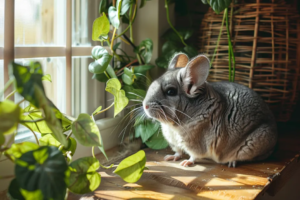
Symptoms of a Hamster Before It Dies of Old Age
Before dying of old age, a hamster typically shows lowered activity, poorer appetite, weight loss, lethargy, rough and messy coat, increased shedding, declining vision, and general weakness. Near death, physical changes include weakness, inability to stand, rapid breathing, fast heartbeat, and dropping body temperature. Most hamsters live only 1–2 years; to slow aging, provide a warm, comfortable home and balanced nutrition, and watch for changes daily.
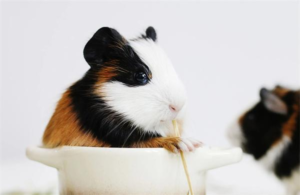
Common Guinea Pig Diseases and Their Symptoms
Guinea pigs commonly suffer digestive troubles (diarrhea, constipation, gut parasites), respiratory infections (pneumonia, bronchitis), skin disease from bacteria, fungus, or external parasites, and urinary issues (cystitis, nephritis). Good diet, clean housing, checkups, and prevention keep them healthy.
What Is a Normal Heart Rate for a Cat?
A healthy adult cat's heart rate is 120–160 beats per minute (kittens up to ~200; seniors and large breeds 140–160). Measure it via the inner foreleg pulse or a stethoscope over the left chest when the cat is calm. Persistently fast, irregular beats with coughing or low exercise tolerance can mean heart disease (e.g., hypertrophic cardiomyopathy); seek a vet if the resting rate stays above 180 or below 100.
When Your Cat Drinks a Lot — A Kidney Warning Sign
Frequent drinking and large urine are often the first sign of falling kidney function in cats, later joined by appetite loss, weight drop, ammonia-smelling breath, and pale gums from anemia. Early detection and vet care can slow this progressive disease and extend life.

Can a Cat Develop Psychological Trauma from a Specific Event?
Cats may seem aloof, but they remember frightening experiences and can develop lasting psychological trauma from abuse, painful vet visits, sudden frights, or abandonment. Signs include hiding, hyper-vigilance, aggression, and regression—and healing relies on a safe environment, routine, and gentle desensitization rather than punishment.
Why Is My Senior Dog Panting Heavily?
Rapid breathing in a senior dog is not 'just old age' — a normal rate is 10–40 breaths per minute and seniors are usually slower. Persistent fast, heavy breathing at rest points to heart or lung disease, metabolic upset, chronic pain, or environment (heat, poor air, obesity, brachycephalic breeds). Keep it cool, calm, and ventilated, log the rate and other signs, and see a vet promptly; many senior diseases progress fast.