Search Results
73 results for “slow urination”

Cat Frequent Urination with Little Output: Urinary Stones
Frequent trips to the litter box with only a few drops — or none — is a classic sign of feline urinary stones. Low water intake, excess dietary minerals, infection, and lack of exercise let crystals build up and block the urethra, so vet care should not be delayed.
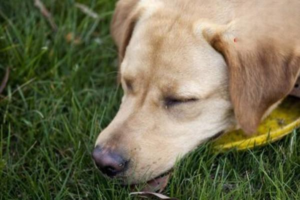
Why Does My Dog Urinate Slowly?
Slow, prolonged urination means the dog struggles to pass urine despite a full bladder, often with frequency and low volume. Common causes are urinary stones or blockages, infection and inflammation, or nerve damage, each needing a vet diagnosis and targeted treatment.
My 1-year-old female mixed dog keeps making urination motions but produces no urine; what is wrong?
Difficulty urinating may be a urinary disease like stones, infection, or kidney issues; give water and a diuretic, and see a vet if over 24 hours. Slow metabolism from little exercise or low mood, or pregnancy, can also cause it.
Hair Loss and Excessive Urination? Symptoms of Hormonal Imbalance in Cats
Feline hormonal (endocrine) imbalance is not one disease but a sign of disorders such as hyperthyroidism, diabetes, Cushing's syndrome, or hypothyroidism. Hyperthyroidism brings ravenous appetite with weight loss, thirst, and overactivity; diabetes causes the 'three polys plus weight loss' and weak hind legs; hypothyroidism shows as lethargy, weight gain, and a dry, thinning coat. See a vet for blood and urine tests if you notice these signs.
Is Too Much Fat in Your Cat’s Diet Slowly Harming It? Health Risks to Watch
Excess dietary fat overloads a cat's pancreas and can trigger pancreatitis, while chronic overfeeding drives obesity and its downstream risks: diabetes, joint and heart strain, and lower-urinary disease. Sudden anorexia can also push fat to the liver and cause fatty liver disease, and too much fat makes the skin oily, leading to stud tail, black chin, and seborrheic dermatitis. Aim for quality and moderation, not zero fat.

Symptoms of Urinary Stones in Guinea Pigs
Guinea pig urinary stones usually come from too much calcium and too little water, causing painful, slow, or bloody urination. Diagnose early by signs, urine color, palpation, or X-ray, and treat with fluids, potassium citrate, or a vet procedure.

How to Prevent Heatstroke in Cats
Cats can overheat when confined in hot, poorly ventilated spaces; their thermoneutral zone is about 30–36°C, and indoor heat can exceed that. Signs include panting, 'greasy' sweaty paws, drooling, red mucous membranes, and collapse. Prevention is cooling and hydration; severe cases with seizures or coma need urgent veterinary care.

What Your Dog’s Waste and Walk Reveal About Its Health
Beyond temperature, pulse, and weight, a walk is the best window into your dog's health — watch its gait, expression, and the color and shape of its urine and stool. Red or dark urine can mean bleeding, cloudy urine an infection, shiny urine crystals, and orange urine jaundice; soft, bloody, or black stool points to digestive trouble. Catch these early and bring a fresh sample to the vet.

Early Warning Signs That Your Dog Is Sick
Older dogs show sickness through behavior: unwillingness to walk or climb (arthritis, common in Goldens, Labs, Poodles), constant thirst with weight loss (diabetes, more common in females and breeds like Samoyeds and Pugs), frequent falling or bumping (failing vision, often cataracts), and low appetite with excess drinking, vomiting, and diarrhea (kidney disease). Senior dogs can also develop dementia, raising the stakes of losing them.

Why Chocolate Is Deadly to Dogs
Chocolate contains theobromine and caffeine, which dogs metabolize slowly; even a small amount can overwhelm the heart and nervous system. The risk scales with the dog's size and the chocolate's purity, so dark and baking chocolate are the most dangerous.