Search Results
132 results for “silent”

Russian Blue
The Russian Blue, also called Russian Blue, Archangel Blue, or Maltese cat, with English name Russian Blue, is known as the 'aristocrat of shorthairs' and 'elf of winter.' Originating in the 19th century, once only in Russia, now worldwide. Few in number globally; buying one costs at least tens of thousands. Cheap ones are hybrids.

Birman
The Birman, also called the sacred cat of Burma, is a medium-sized cat with the Latin name Birman. Although now distributed worldwide, legend says they once lived only in Myanmar and were kept by temple monks; because they guarded the hall, they are considered temple guardian cats.
How soon after birth does a kitten start meowing?
The timing varies; some kittens meow at birth, others days later, and newborns usually only cry when hungry. Quiet or soft-voiced kittens are normal, but a kitten opening its mouth without sound needs a throat check.
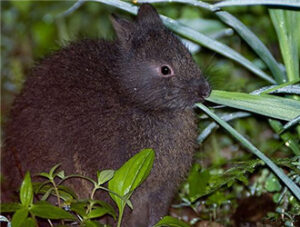
Amami Rabbit
The Amami Rabbit, also known as the Ryukyu rabbit, is an ancient wild rabbit with short ears, native to Japan and considered a living fossil and close relative of the Arctic hare. It is listed as Endangered (EN) on the IUCN Red List.
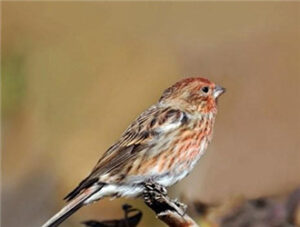
Pallas’s Rosefinch
The Pallas's Rosefinch does not breed in China. During autumn migration some adults and subadults winter in China and depart the following spring. The Pallas's Rosefinch (Carpodacus roseus), also called 'Kaoshanhong,' belongs to the order Passeriformes and family Fringillidae. In China it is a winter visitor, seen in late autumn and winter in the Northeast, Shandong, Shanxi, Henan, Shaanxi, Gansu, and Jiangsu. With beautiful plumage and sweet song, it is easy to keep and tame, one of the most common cage birds in China. But its red feathers fade easily in captivity, how to prevent fading remains to be explored. It generally inhabits mountainous mixed coniferous-broadleaf forests, broad-leaved forests, and hilly mixed woods, also plain elm-willow woods, usually at low elevations. The type locality is Udam, Siberia.

Siberian Chipmunk
The Siberian Chipmunk has the habits of storing food and hibernating; hibernation occurs in the wild, while in warm indoor captivity it does not need to hibernate. Wild chipmunks are mainly distributed in North China, Northwest China, and Northeast China. Their fur is of good quality and attractive.
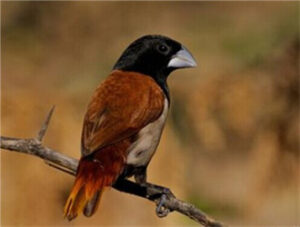
Black-headed Munia
The Black-headed Munia (Lonchura malacca) is a small bird whose plumage is mostly deep chestnut, a feature that gives the species its name. It has a wide distribution, mainly found in the Philippines and Taiwan.

Do Dogs Get Jealous? Signs and What to Do
Dogs form strong emotional bonds and can show jealousy when attention goes to another pet or person. Common signs include sulking, clinginess, aggression toward the rival, destructive revenge, or withdrawal — and the best response is fair, consistent attention rather than punishment.

Is It Normal for a Cat to Fart Often?
Occasional silent, odorless farts are normal, but frequent smelly ones mean abnormal gut fermentation. Causes: eating too fast (swallowed air), fermentable foods (beans, dairy, high fiber), or a sudden food change. Fix with slow-feed bowls, gradual diet changes, and probiotics; see a vet if appetite drops or vomiting appears.

Do Rabbits Get Angry? Signs and Causes
Rabbits do get angry - they growl, honk, and thump, or give the silent treatment by ignoring you. Common triggers are hunger, lack of attention, and a proud streak. Comfort with a head rub or treat, or let a stubborn one cool off alone.