Search Results
960 results for “sick cat”

Can Pets Take Human Medicine?
When a pet falls ill, many owners reach for human medication, but giving pets human drugs is dangerous and has caused countless fatalities. There is a real difference between human, animal, and pet formulations. This article explains why human medicine can be fatal to pets, how dosages misfire, and the risk of drug resistance, and reminds owners to consult a vet instead.

Winter Dog-Care Tips
Winter care matters. (1) Keep exercise: don't lock the dog indoors for fear of cold—it loses freedom and can get depressed or weak and sick. On a sunny afternoon, leash it to the park for a walk and sunlight that kills coat bacteria. (2) Dress smart: cold-prone small breeds (Chihuahua, Teddy) can wear comfy clothes, but Huskies and Goldens generally should not. (3) Diet: skip 'winter tonics' and rich food—a cold gut handles them poorly and they just add burden. Keep the normal feeding plan.

Dog Vaccine Basics Every Owner Should Know
Core vaccines (must): distemper, parvovirus type 2, adenovirus type 2, rabies. Non-core (recommended by risk): parainfluenza, leptospira, Lyme, Bordetella, canine flu. Coronavirus vaccine is not recommended. 'X-in-1' just means how many diseases it covers; pick any combo containing core. Typical schedule: combo at 6, 9, 12 weeks, rabies at 14 weeks, then yearly. Stay 20–30 min post-shot to catch rare allergy (1.2%); skip baths 7–10 days, never vaccinate a sick dog, and don't buy vaccines online—use a clinic and keep the vaccine record for the license and travel.

Rabbit Lying Down with Weak Limbs — What to Do
Seeing a rabbit flat on the ground with weak legs can look like the end, but the cause is often treatable. The three usual suspects are heatstroke from a hot, stuffy room, low blood sugar from poor nutrition, and coccidiosis, a parasitic gut infection. Each has a distinct fix, from cooling and glucose to deworming and disinfection. This guide explains how to tell them apart and what to do before a vet visit becomes necessary.
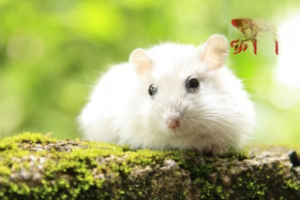
Why Is My Golden Hamster Squeaking Constantly?
Golden hamsters are normally quiet creatures that sleep by day and run on their wheel by night, so constant squeaking is a signal worth reading. It can be completely harmless—a dream, a startle, or a sulk—or it can mean real distress from illness, injury, or a perceived predator nearby. Because the tone differs between a content chirp and a pained wail, owners should learn to tell them apart. This guide covers the five common reasons a hamster cries out and when a vet visit is the right call.

What Vaccines Does My Dog Need?
Preventing disease beats treating it, and vaccination is the best way to protect a dog from infection, pain, and death. Core shots are the rabies vaccine and a combination vaccine — the "two-way" covers distemper and parvovirus, while four-, six-, and eight-way versions add hepatitis, parainfluenza, adenovirus, leptospirosis, and coronavirus. Most dogs start with the four-way. The usual schedule begins at 45 days of age, with a shot every 21 days for three doses, rabies at three months, then an annual booster. Some dogs should not be vaccinated — see your vet.

What to Do When a Kitten Has a Cold
A kitten with a cold rarely gets better on its own, so step in early: give a cat-specific cold medicine (never a human one), and offer easy-to-swallow, nourishing foods like congee or goat-milk formula. Keep the kitten warm with extra bedding, off cold floors, and well hydrated; check for fever and treat it, and let it rest in gentle sunlight. If symptoms persist or worsen, see a vet.

What to Do When Your Rabbit’s Ears Are Red, Itchy, and Scratching
Red, itchy, constantly scratched ears usually mean ear mites or an ear infection in rabbits. Because the problem is contagious, isolate the sick rabbit and disinfect its belongings first. Soften and remove crusts with ear cleaner or saline, treat the inner ear with a rabbit-safe cleanser, and fit an Elizabethan collar so it can't keep scratching. Boost recovery with vitamins and keep the habitat dry and well-ventilated; see a vet if there's no improvement.
Treating a Dog’s Vomiting from a Cold
When a dog vomits due to a cold or viral infection, treatment focuses on relieving fever, fighting secondary infection, and good nursing. Fever above 39°C can be eased with a mild injectable analgesic-antipyretic such as Bupleurum injection, dosed by size. Secondary bacterial infection is treated with penicillin or other antibiotics like cephalosporins or fluoroquinolones, preferably by injection. Keep the sick dog warm and well-nourished.

Treating and Preventing Turtle Water Mold Disease
Poor water quality from leftover food and waste is the root cause of turtle water mold, usually from poor management. Treatment uses antifungal medication—povidone-iodine applied topically, diluted soaks, gentle brushing, or in severe cases miconazole ointment with dry-docking—always keeping the environment at 28–32°C. Prevention means sunlight, prompt cleanup of food waste, regular water changes, and isolating sick turtles. Do not confuse water mold with normal shedding.