Search Results
960 results for “sick cat”
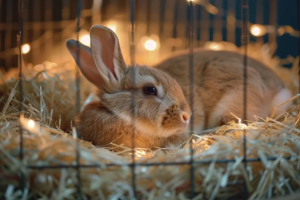
How to Prevent Rabbit Hemorrhagic Disease (Rabbit Fever)
Preventing rabbit hemorrhagic disease relies on four pillars: management, vaccination, cross-infection control, and emergency response. Strict sanitation, regular single-strain vaccination, quarantining new rabbits, and banning visitors and stock from infected areas sharply cut outbreak and death rates.

Why Is My Goldfish Lying on the Bottom of the Tank in Winter?
A goldfish resting on the tank bottom in winter is usually caused by low water temperature, poor water quality, or illness. Cold water slows the fish's metabolism so it conserves energy at the bottom—raise the temperature to 18–25°C with a heater. Dirty water should be refreshed and kept at pH 6.5–7.5, while disease (enteritis, temperature shock, bacterial infection) needs prompt isolation and a 1% salt bath. Regular water changes and added aeration further prevent the problem.

Things to Consider When Taking Your Dog Home for the Spring Festival
Traveling home with your dog for the holidays takes planning: confirm your dog is healthy, pack its essentials, and get it used to the car (or sort out pet shipping papers 1–2 weeks ahead for train or air travel). Once at a new environment, ease its anxiety with a quiet space and familiar routine, and during the festival guard against fireworks stress, escape risks from frequent visitors, and toxic human foods such as chocolate, grapes, and onions.

What to Do When Your Rabbit Keeps Sneezing
Rabbits have sensitive noses, so frequent sneezing can signal anything from a mild allergy to a respiratory infection. Common triggers include pollen and dust allergies, poor diet, colds caught in damp or cold environments, and sinusitis. If your rabbit sneezes occasionally with no other signs, it is usually nothing to worry about. But if sneezing is frequent or paired with discharge, coughing, or red eyes, you should improve the living environment, adjust the diet, identify and remove allergens, and seek a veterinarian's advice. This guide walks through the likely causes and the practical steps you can take at home before a clinic visit becomes necessary.

Bringing Home a 2–6 Month Old Puppy or Kitten: A Complete Care Checklist
A new 2–6 month old puppy or kitten is fragile, and mistakes in the first weeks—too much handling, wrong food, missed vaccines—can cause stress, illness, or worse. Start by letting the pet settle alone for 1–2 hours before gentle interaction; keep the same food it had before (soak kibble if needed) and feed 3–4 small meals a day. Watch the first week closely, since transport can expose them to panleukopenia, cat flu, distemper, or parvovirus on top of stress. The vaccine and deworm timeline matters: deworm first, wait at least 7 days, then vaccinate (dog multivalent from ~45 days, three shots 21 days apart, rabies at 3 months; cat FVRCP from 2 months, three shots 28 days apart, then rabies). Don’t bathe, delay outings until vaccinated, and never feed toxic people foods like grapes, chocolate, coffee, or avocado.
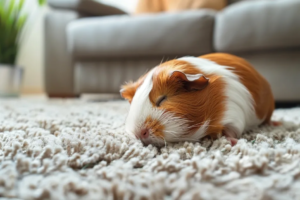
The Effects of Hamster Inbreeding
Inbreeding hamsters is risky: it raises the chance of inherited disease and genetic defects, lowers genetic diversity so offspring get sick more often, and tends to produce weaker, less intelligent pups with higher death rates and reduced fertility. The main reason breeders do it is to lock in a pure bloodline, but the uncertainty is high. For home keepers, the safe choice is to avoid inbreeding entirely, separate males and females into different cages, and if you do plan a litter, pick two healthy, unrelated hamsters and breed them between 5 and 10 months of age.

Can Canine Parvovirus Spread to Humans?
Canine parvovirus is a common, highly contagious dog disease that affects canids such as dogs, foxes, and wolves, but it does not infect people directly. Humans can still carry the virus on hands and clothing after touching an infected dog or its waste, spreading it to other dogs, so thorough disinfection matters. Parvo mainly attacks the gut and immune system, causing vomiting, bloody diarrhea, dehydration, fever, and weight loss, and is especially dangerous to puppies. Prevention through vaccination, isolation of sick dogs, prompt veterinary care, and thorough environmental cleaning is the best defense.
Does Your Dog Really Need Monthly Deworming? (Avoid One-Size-Fits-All)
Deworming frequency should follow the dog's age, health, and lifestyle, not a rigid monthly rule—dewormers are broken down by the liver and kidneys, and overuse burdens the body. Puppies start at 45 days and go monthly until 6 months; after that, internal deworming drops to every 3 months while external stays monthly. The schedule is flexible: a mostly-indoor dog in the cold season, when fleas and ticks breed less, can be treated less often, and a sick, pregnant, or senior dog may need a pause or lower frequency. Match the plan to real risk.

Why Some Pet Skin Sprays Stop Working—and What to Look For
Many owners find a skin spray works at first, then fades—or the problem returns. The cause is often resistance: chemical antimicrobials can drive microbes to mutate, and sprays loaded with hormones or strong antibiotics can damage a delicate skin barrier and sicken a pet that licks them. A different approach uses nano-silver, which kills physically rather than chemically, lowering resistance risk. Here is what to know when choosing a skin spray.

Symptoms and Treatment of One-Eye Cold in Parrots
One-eye cold is a common contagious eye condition in parrots, marked by swollen conjunctiva, watery discharge, lethargy, reduced appetite, and weakness, with respiratory signs in severe cases. If you notice these symptoms, take them seriously and treat promptly. Care begins with isolating the sick bird and disinfecting the cage, then gently cleaning the eye and applying bird-specific drops such as bird-specific eye drops or human erythromycin ointment—treating both eyes even if only one is infected. Serious cases need antibiotics under a vet's guidance. Daily hygiene, clean food and water, and regular check-ups are the best prevention.