Search Results
960 results for “sick cat”

How to Treat and Prevent Water Mold Disease in Turtles
Water mold disease (saprolegniasis), caused by Saprolegnia and Achlya fungi, is a common illness in aquatic turtles that usually strikes during overwintering and spring. Infected turtles may lose appetite, grow weak, and develop gray-white patches and fuzzy white growths on the skin; severe cases lead to emaciation, swelling, skin ulcers, and even death from exhaustion. Because the fungus is widespread in water and hard to eliminate, prevention focuses on keeping the turtle injury-free, maintaining water temperature around 28–30°C, and providing regular sunlight. If infection occurs, dry-docking the turtle with short daily soaking, applying povidone-iodine for disinfection, and using a pet-safe antibacterial ointment on affected areas can aid recovery.

How Deadly Is Canine Parvovirus? It Comes Down to Three Factors
Canine parvovirus is a highly contagious disease that can kill, but the outcome is far from fixed. Survival depends largely on the virus strain, the dog's age and immune status, and how quickly treatment begins. While reported mortality ranges from around 10% to 80%, prompt veterinary care can push survival above 70%. Understanding the risk factors and acting fast makes the single biggest difference for a sick dog.

Can Dog Parvo Infect Humans?
Canine parvovirus does not infect people—it's a canine-only virus with no ability to cross species to humans. Owners should focus on saving the dog and stopping dog-to-dog spread, not on catching it themselves. Parvo is extremely contagious and often fatal among unvaccinated dogs, especially puppies, so fast veterinary care and thorough disinfection at home are what matter.

How to Boost Your Dog’s Immunity
Strong immunity is the core of a healthy dog, and it drops with poor nutrition, no exercise, stress, environment change and parasites. Lift it with probiotics during stressful moves, daily exercise of about two 30-minute sessions, routine vaccination and deworming, regular play and attention for mental health, and a balanced natural diet instead of salty human food. Owners often forget a dog needs companionship, not just freedom from illness.

What to Do When Your Guinea Pig Has a Cold
Guinea pig colds usually come from temperature drops or cold exposure, such as big day-night swings, sudden seasonal cooling, or chills after a bath, and weak immunity raises the risk. Signs include sneezing, clear runny nose, cough or wheeze, lethargy with poor appetite, and fever above 40°C. See a vet early for diagnosis and a plan, keep the home quiet, warm, dry, and clean, and skip baths while sick. Offer mild herbal dried grasses like chamomile or mint and a little vitamin C liquid to support immunity, using any medication only per veterinary guidance.

Summer Care Tips for Hamsters
Hamsters have weak immunity and get sick easily with temperature swings, so summer care must cool them without letting them catch cold. Place the cage in a shady, airy spot with cooling mats, and if you use air conditioning keep it around 27°C with paper cotton for warmth, or use a fan that does not blow directly on the pet. Keep the diet light: normal hamster mix plus cooling foods like mung beans, watermelon, cucumber, or a little chamomile water, and always provide fresh water changed daily. Clean the cage and change bedding twice a week to limit bacteria.

How to Choose a Dewormer for Your Dog: A Science-Based Buying Guide
Choosing a reliable dog dewormer comes down to three things: a verifiable veterinary license, a broad-spectrum active ingredient that covers the parasites your dog is actually exposed to, and a price you can sustain month after month. Internal parasites (roundworms, hookworms, whipworms, heartworm) and external ones (fleas, ticks, lice, ear mites) require different actives, so a combined product or a matched pair is usually the most efficient plan. This guide explains the core selection criteria and the most common mistakes owners make, so you can protect your dog and your household without overspending.
When can a kitten actually be vaccinated?
A kitten can be vaccinated once it's at least two months old and healthy - vaccines are live-attenuated or inactivated viruses, so a sick kitten can actually get ill from them, and under two months maternal antibodies cancel the vaccine out. Health and age are both required.

How to Choose a Dewormer for Dogs
Most dogs meet parasites at least once, and fleas, roundworms, and heartworm are among the most common. Deworming is not a gimmick, yet three myths—indoor dogs are safe, price equals quality, one dose lasts half a year—lead owners astray. This guide covers the three standards for choosing (spectrum, safety, value), the Collie caution with ivermectin-class drugs, and a sensible schedule: monthly external and combined coverage, internal every three months for adults, and vet-guided care for puppies, pregnant, or sick dogs. Low price need not mean low efficacy.
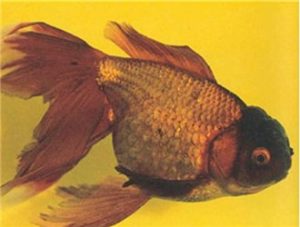
Brown Oranda with Curled Opercula
In goldfish, curled opercula is usually a disease sign, but the Brown Oranda with Curled Opercula has gill covers that grow everted from inside out like a wound - a hereditary variation.