Search Results
234 results for “shock”
What happens when an Alaskan Malamute is hungry?
A hungry Alaskan Malamute may show physical and behavioral changes: restlessness, longer sleep, fatigue, slow movement, weight loss, rummaging through trash. If hunger lasts too long, it may eat less or refuse food; extreme hunger can cause low blood sugar leading to lowered temperature, pale mucous membranes, weakness, shock. So provide enough food and water.
Common Diseases of Blood Parrot Fish and How to Treat Them
White spot, black spot, head-hole disease, and enteritis are all very common in blood parrot fish. To help owners respond better, here are treatments for each of these diseases.
What Happens If a Dog’s Fever Is Left Untreated?
A fever left untreated can worsen and lead to serious health problems such as dehydration, electrolyte imbalance, shock or even death. The dog may also lose its appetite, resulting in malnutrition and a weakened immune system.
What happens if I give my cat injections myself?
Do not inject at home; unreliable vaccines and wrong technique can fail, and allergic reactions at home can be fatal without prompt care.
What happens if a dog drowns?
A drowning dog shows breathing difficulty, confusion, and shock from oxygen lack. Rescue it, drain water, and give resuscitation if needed, then take it to a vet.
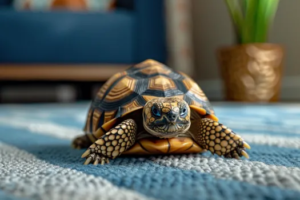
Caring for a Brazilian Turtle (Red-Eared Slider)
The Brazilian turtle (red-eared slider) is hardy but needs the right setup to stay healthy and live long. Choose a turtle at least six months old, house it in a covered tank with water at about 25°C, always feed it in the water, and manage a proper hibernation and breeding routine.

What to Do When a Blood Parrot Fish Loses Its Red Color?
A blood parrot cichlid that loses its red color is usually responding to insufficient light, poor water quality, temperature stress, or an unbalanced diet. Restore vivid color by keeping the pH at 6.5–7.0, doing regular water changes, feeding color-enhancing food rich in astaxanthin and carotene, providing 2–3 hours of daily light, and holding the temperature near 28°C with swings under 2°C.
What happens if a dog eats a toad?
Eating a toad may cause drooling, vomiting, abdominal pain, diarrhea and lethargy from toxic glands; highly toxic toads can cause arrhythmia, breathing difficulty and shock. Not all toads are toxic, so give water and watch; seek care if abnormal.
What happens if a dog is lactose intolerant?
Lactose-intolerant dogs show vomiting, diarrhea, soft stool, abdominal pain, poor appetite, bloating and gas after milk; sensitive puppies may severely dehydrate, shock or die from ongoing diarrhea. Do not feed milk; use formula, and treat abnormalities promptly.
What happens if a cat is not fed for a long time?
Long lack of food causes hunger, dehydration, low blood sugar or shock, and severe cases bring fatty liver and even death. Before leaving home, prepare enough food or board the cat. If withholding food due to pickiness, fast no more than 2 days or mix kibble with canned food and probiotics.