Search Results
238 results for “shock”

Silver Arowana Care Guide
Silver arowana are large fish needing a tank at least 150 x 50 x 70 cm with a lid, steady 24-29 C water at pH 6.5-7.5, and a mature filter. Feed small frequent meals of varied foods (no fatty organs, no spoiled food), fast on water-change days, and change 20-30% of the water slowly.

What Are the Symptoms and Causes of Cat Allergies?
Cat allergies usually cause intense itching and skin damage, plus redness, swelling, and sometimes sneezing or even anaphylactic shock. Common triggers are food, drugs, parasite saliva (fleas, mites), and airborne allergens like pollen and dust. Find and remove the cause, and see a vet for severe reactions.

Feline Hyperesthesia Syndrome (FHS)
Feline hyperesthesia syndrome (FHS) causes sudden shock-like episodes with tail swishing, frantic licking or biting of the skin, and touch sensitivity along the back. It is diagnosed by ruling out other causes and managed with stress reduction, medication (paroxetine, fluoxetine, gabapentin), and acupuncture.
What to Do When a Rabbit Has Heatstroke
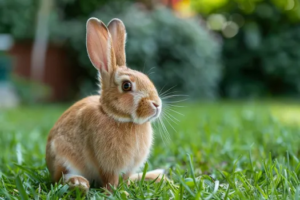
Rabbits overheat easily because of their thick coat and poor heat dissipation, and severe heatstroke can be fatal. Move a stricken rabbit to a cool, ventilated place, cool it with a damp towel, and prevent recurrence by keeping cages shaded, well-ventilated and supplied with plenty of water.

Rabbit Stress: Causes, Signs, and How to Avoid It
Rabbits are timid and sharp-eared, so strong or repeated shocks can stress them severely, even fatally. Causes include changed water or feed, weather, noise, light, moves, and strangers; signs are raised pulse and breathing, restlessness or hiding, refusing food, and does crushing or rejecting kits. Avoid stress with steady routines, fixed light, temperature control, quiet, and gradual feed changes.
The Right Way to Change Fish Tank Water
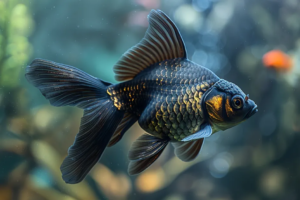
Healthy fish start with healthy water. Sudden changes in quality, temperature, or pH can make fish sick, so change water regularly but not too often. Here is the correct way to do it.

Precautions for Taking Your Dog Swimming
Swimming is great summer exercise, but a dog's first time is frightening and needs calm coaxing with a life ring. Carry large dogs with a U-hug around the belly and small dogs like a baby, avoid the midday sun, cap sessions at about 5 minutes for unfit or older dogs, and watch for panting or cramps. Rinse the dog afterward and keep short-nosed or sick dogs out of the water.

Hamster Feeding: What to Feed and What to Avoid
Hamsters are omnivores that do well on a fortified staple mix, supplemented with small amounts of grains, vegetables, fruit, cooked meat, and insects. Avoid spicy human food, fruit pits, and unboiled water; refresh food daily and keep the cage clean to prevent diarrhea.

Causes and Treatment of Cellulitis in Dogs
Staphylococcus and streptococcus are the main bacteria behind cellulitis, though some cases come from mixed putrefactive infections and usually need surgical debridement. Here are the causes and treatments of canine cellulitis.
French Bulldog Heatstroke: Symptoms and What to Do
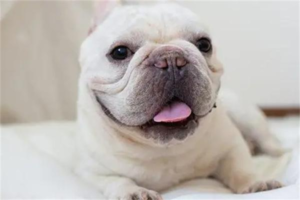
Heatstroke happens when a dog cannot regulate its body temperature in hot or humid conditions, causing dangerous overheating. As a short-nosed breed, French Bulldogs are especially prone to heat stress and breathing difficulty. An affected dog runs a temperature above 40°C with rapid breathing, red membranes, dry mouth, tongue extension, foaming, and even collapse — move it to shade, give water and electrolytes, and apply ice to the armpits, belly, and neck to cool it down.