Search Results
248 results for “shedding season”

How to Care for a Chinchilla During Shedding (and What to Do About Hair Loss)
Chinchillas usually shed every three months, regardless of season. During shedding, bathe and brush them often, cover the cage if hair flies everywhere, and clean regularly. If hair loss is heavy, prolonged, or leaves bald patches, check for fur-chewing, diet, nutrient gaps, or a mite infection.
How to reduce golden retriever shedding?
Heavy shedding relates to coat change, wrong bathing, poor nutrition, or skin disease. Brush more during seasonal sheds; stop human shampoo; add fish oil, lecithin, vitamins; check skin if localized.
How Long Does a Cat’s Spring Shedding Last?
Spring shedding lasts about 1-3 months. Brush daily and clean loose fur to prevent hairballs; give hairball paste and cat grass.

How Long Does a Cat’s Autumn Shedding Last?
Autumn shedding starts in fall and can last weeks to months as a cat grows its winter coat. Brush daily, clean the home, feed coat-supporting nutrition, and watch for skin problems.
How long does rabbit shedding (hair loss) last?
Rabbit molting usually lasts about two weeks, occurring in spring and autumn. Regular brushing and hairball paste help, but abnormal shedding can signal poor nutrition or infection.
How Long Does a Dog’s Shedding Take?
Puppies shed their coat at 3–4 months over 2–3 months, then seasonally each spring and autumn for about a month. Brush often and add coat-friendly nutrition.

Spring Shedding and Heat Management in Cats
Spring brings shedding and heat cycles. Control loose fur with pet shampoo, regular brushing, low-salt beauty-coat food, and a calm mood; keep skin healthy with sun and exercise. For heat, a queen in season eats less and calls for toms, so feed well, confine her, and strictly prevent escape, especially before six months.
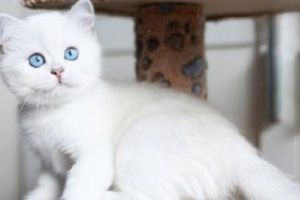
Why Is Your Cat Shedding?
Shedding is often normal: kittens lose soft baby fur around 4–8 months, and all cats do a seasonal coat change in spring (March–May) and autumn (September–November). But it can also signal trouble—external parasites (mange mites, fleas) cause redness, itching and hair loss; poor nutrition or too much salt weakens the coat. Rule out illness, then manage loose hair with a vacuum and a de-shedding tool. Never over-salt the food, and keep protein and vitamins adequate.
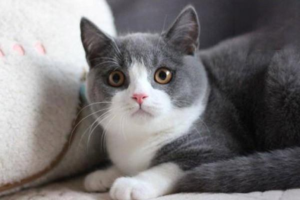
Dealing With Heavy Spring Shedding
In the shedding season cats are walking dandelions as they swap coats for the new climate. Fight it four ways: brush daily with a multi-tooth pin brush (gentle, so the cat learns to love it); bathe monthly with cat-specific shampoo and dry thoroughly; feed a balanced diet with skin-support nutrients like omega-3/6; and use a hairball gel (a gut lubricant, not a dissolver) instead of inducing vomit with cat grass, which can inflame the esophagus and trigger pancreatitis.
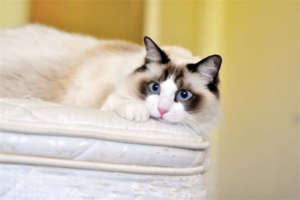
How to Reduce Heavy Shedding in a Ragdoll Cat
A Ragdoll's heavy shedding can stem from seasonal change, poor diet, weak care, stress or an underlying health issue. Brush regularly to stop mats, bathe on a sensible schedule with a gentle cat shampoo, and avoid salty or greasy food while adding omega-3 and vitamins for skin and coat. Keep the home calm and quiet, and if shedding stays severe, have a vet rule out skin disease, allergies, parasites or hormonal problems before treating.