Search Results
248 results for “shedding season”

Cat Breeds Not Recommended for First-Time Owners
Honestly, beginners - do not get these cats! The third one absolutely not. New owners chase looks and price, but lack experience and may spend a lot. Here are the cats we do not recommend.

Autumn Cat Care Tips
As summer fades, the change to autumn brings special reactions in cats — seasonal shedding, estrus, and a dip in resistance. Learn the key points of caring for a cat in fall.

What to Keep in Mind When Walking Your Dog
Autumn is here and the weather cools—good walking season! Though early rising is hard, with the dog it's easier. Owners walk dogs often, but walking isn't random—some things to note. Today we discuss dog-walking precautions.

How Often Should a Cat Eat Hairball Paste?
New owners may not know what hairball paste is or why cats need it. Here is its role, timing and precautions to better prevent hairball syndrome.
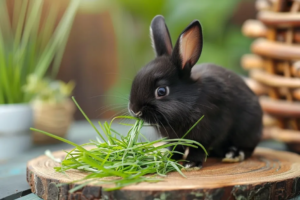
Rabbit Hairball Syndrome: Symptoms and Prevention
Hairball syndrome can badly hurt or even kill a rabbit, but timely treatment limits harm. Know the symptoms to act fast. Here are the signs and care.

When Can a Cat Eat Hairball Paste, and How to Choose?
Cats groom often, so owners worry about hairballs and the painful vomiting they cause. Hairball paste helps prevent it. Here is when and how to choose.

Why Is Your Cat Throwing Up Yellow Liquid, and What to Do?
Yellow vomit is mostly hairballs. Occasional vomiting is normal, but frequent hair vomiting means hairball syndrome—a blockage risk. Fix it by brushing often and growing cat grass; never shave the cat.

What to Do When a Golden Retriever Sheds Excessively All Over
Heavy full-body shedding in a Golden Retriever may be a skin disease or seasonal shedding. Don't panic - find the cause first, then treat it. Fur usually grows back if the follicles are not damaged. This article explains the causes and solutions.

Why Is Your Cat Not Eating? Is It Sick?
A cat that stops eating may be in heat, ill (gut, oral, kidney, or parasite disease), poorly fed, stressed by its surroundings, or simply anxious. Rule out illness with a vet, then fix diet, environment, and routine.
Does My Cat Need Hairball Paste?
Whether a cat needs hairball paste depends on coat type and hairball risk. Long-haired cats and those prone to hairballs usually benefit; in moderation it helps prevent hairballs and aids digestion. But overfeeding can cause diarrhea, and some pastes have many additives that lead to picky eating and metabolic burden. Feed in moderation; also brush often, offer cat grass, and encourage water.