Search Results
402 results for “shade”

Hoffman’s Conure
The Yellow-winged Parrot (Hoffman's Conure) belongs to the order Psittaciformes, family Psittacidae. The body is green; the forehead, crown, nape, the area between the eye and bill, and the cheeks have yellow edges; the ear coverts are red. It mainly inhabits forest edges, especially dense woodland and secondary vegetation at tropical and subtropical elevations of 500-3,000 m.
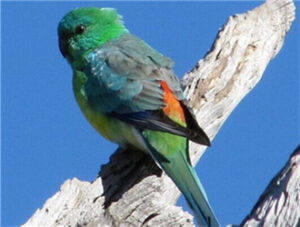
Red-rumped Parrot
The Red-rumped Parrot (Psephotus haematonotus) looks from a distance like a miniature peacock from behind, with beautifully blended multicolored plumage. This parrot is mainly distributed in southeastern Australia.

Java Sparrow
Wild Java Sparrows have plain plumage, but selective breeding has produced many color variants. Now found worldwide, the Java Sparrow has been bred into various new colors and has become a world-famous cage bird.

Chinchilla laniger
The Chinchilla laniger (Chinchilla laniger) is native to the Andes Mountains of South America, where it lives in caves and rock crevices at about 1,600 m elevation. Its appearance resembles that of a rabbit and a squirrel. A special feature is its pair of large, bright, ruby-red eyes, which are beautiful.

Jardine Parrot
The Jardine Parrot (Poicephalus gulielmi) currently has three subspecies. Its body is almost entirely green and is the second-largest parrot species after the Cape Parrot. Its distribution is scattered and not concentrated, mainly across central Africa and parts of West Africa.
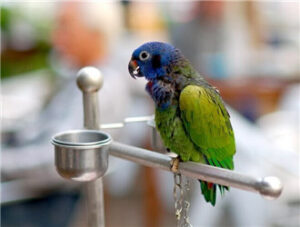
Blue-headed Parrot
The Blue-headed Parrot (Pionus menstruus) is a relatively small, slightly plump parrot with a short tail that can live up to 25 years with good care. It is one of the more commonly kept parrots of its genus, with three subspecies that differ mainly in the depth and spread of the blue coloration on the head.
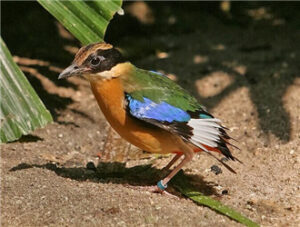
Blue-winged Pitta
The Blue-winged Pitta (Pitta brachyura) gets its name from the eight vivid colors on its body—red, green, blue, white, black, yellow, brown, and chestnut—making it a highly ornamental bird.

Blue-headed Macaw
The Blue-headed Macaw is the most expensive of the small parrots, mainly because of its scarcity, low popularity, and obscurity—truly a case of rarity commanding a premium. In captivity it is easily tamed and quite robust, adapts well, and like other macaws loves to chew and is destructive, so regular bathing keeps its plumage healthy. It suits a fairly roomy, flight-capable aviary.

How Often to Feed Turtles in Summer
In hot summer a turtle's metabolism speeds up and its appetite grows, so you can feed a bit more to build reserves. Hatchlings under 5 cm should be fed daily, larger turtles every other day, and feeding should avoid the strong midday sun. Good summer care also means shade plants, checking food for spoilage, balanced nutrition, and frequent water changes to prevent shell rot.

Can a Dog Recover from Heatstroke on Its Own
Mild heatstroke in dogs can sometimes resolve on its own if the dog is moved to a cool place and cooled promptly, but moderate to severe heatstroke rarely self-heals and can be fatal. Treatment ranges from fan cooling and oral rehydration to emergency cooling and immediate veterinary care, while prevention focuses on coat trimming, never leaving a dog in a car, and avoiding midday walks.