Search Results
402 results for “shade”

How to Keep Goldfish Cool in Summer
Summer is peak growth season for goldfish. Right temperatures mean good appetite, more activity, and fewer illnesses, so they grow faster than in other seasons. Here are summer care and cooling tips.

Why Does My Cat Roll on Concrete Floors?
A cat rolling on concrete may be using the surface temperature to regulate body heat, or marking territory, or scratching an itch. There are many reasons; judge by the situation. This article details them.

Best Seasons for Rabbit Breeding
Rabbits can breed year-round, but temperature drives estrus, conception and litter size. Spring is ideal (80%+ estrus, 7–8 kits); autumn is good with extra nutrition; summer and winter need shade, cooling, warmth and added greens to succeed.
What to Do When a Rabbit Has Heatstroke
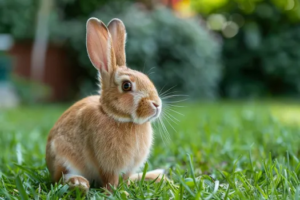
Rabbits overheat easily because of their thick coat and poor heat dissipation, and severe heatstroke can be fatal. Move a stricken rabbit to a cool, ventilated place, cool it with a damp towel, and prevent recurrence by keeping cages shaded, well-ventilated and supplied with plenty of water.

Grasses and Plants Rabbits Must Not Eat
Not every grass suits a rabbit; many wild plants are toxic and can kill. Always avoid groundsel, potato and tomato vines, larkspur, castor bean, aconite, belladonna, datura, water hemlock, and others; some are toxic only when flowering, sprouting, or to lactating does. Safe staples are alfalfa (young and nursing), timothy, and Bermuda grass.

Rabbit Feeding Habits and Eating Behavior
Rabbits are single-stomach herbivores that prefer plants, pellets and a little vegetable oil or sweet feed, with animal feed kept under 5%. They practice coprophagy — eating nutrient-rich soft cecotropes at night — and eat mostly after dusk, so sudden feed changes cause refusal and gut upset. Introduce any new feed, including animal protein during pregnancy or lactation, gradually.

Silver Arowana: Morphology and Breeding Methods
The silver arowana is all silver, peaceful and easy to keep, but grows fast and can exceed 1 m, so it needs a spacious tank. It is a mouth-brooder: choose one healthy male (6–8 yrs, 50–60 cm) and one female (7–9 yrs, 40–50 cm), keep the tank absolutely quiet during spawning, and the male will carry 40–50 fertilized eggs in his mouth for about two months.
How to Make Your Hamster Friendly and Bond with You
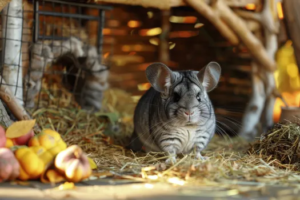
Hamsters are not very smart and are naturally timid, but with patient daily handling they gradually learn to recognize their owner and become affectionate. The key is to let the hamster get used to your scent, win it over with food, build up physical contact slowly, and stay calm and gentle during interaction.

How to Tell Heatstroke and Wet Tail Apart in Hamsters
Both wet tail and heatstroke are serious and can be fatal in hamsters, and their symptoms look alike, so owners often mix them up and delay treatment. Here is how to tell the two apart.
When Do Turtles Hibernate and What to Watch For
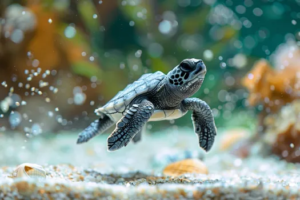
Like snakes, hamsters, and fish, turtles go into hibernation when it gets cold. But if it is too warm or they can't find a proper spot, they may fail to hibernate and their metabolism suffers. Here is when and how turtles hibernate, plus key precautions.