Search Results
27 results for “septicemia”

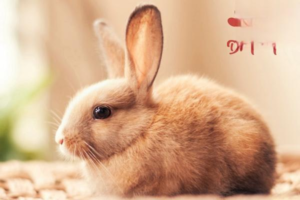
Palomino Rabbit
The Palomino Rabbit is a large rabbit breed developed in Washington State, originally for meat but kept as a pet for its beautiful coat. Lazy and gentle, it has a strong appetite and needs a spacious cage, a ball-point water bottle, a chew stone, and unlimited hay.
Causes and Treatment of Ulcerative Pododermatitis (Sore Hocks) in Rabbits
Ulcerative pododermatitis (sore hocks) is a pressure-induced skin ulcer on the soles and sides of a rabbit's feet, most often seen in adults kept on hard or wire cage floors. It causes pain, reluctance to move and, if infected, can lead to abscesses, cellulitis or even fatal septicemia. Good hutch design, soft bedding and prompt wound care are key to prevention and treatment.
What happens if a dog gets demodectic mange (Demodex)?
Localized skin lesions that keep growing: patchy, focal, multifocal or diffuse hair loss, redness, silvery scales, papules. As it spreads: lichenification, hyperpigmentation, pustules, erosion, ulcers anywhere on the body. Treat early to avoid sepsis.
What Is Canine Salmonellosis
Canine salmonellosis is a group of infections caused by bacteria of the Salmonella genus, which can affect both dogs and people. Dogs pick it up from sick animals, contaminated food and water, or even healthy-looking carrier dogs, and the illness ranges from silent carriage to severe, life-threatening septicemia in young puppies. Signs include fever, vomiting, watery or bloody diarrhea, and rapid dehydration. Diagnosis relies on culture and identification of the bacteria from stool or organs, and treatment pairs antibacterial drugs with fluid and symptom support. Careful food handling and a clean environment are the cornerstones of prevention.

Malayan Snail-eating Turtle
The Malayan snail-eating turtle (Malayemys subtrijuga) feeds on snails, freshwater mollusks, and crustaceans, which gives it its name. Native to Malaysia and surrounding regions, it is of moderate size but generally unsuited to home keeping.

Gray Collie Syndrome: Symptoms, Treatment, and Prevention
Gray Collie Syndrome is a fatal inherited disorder of Collie breeds in which cyclical drops in infection-fighting neutrophils leave puppies vulnerable to repeated bacterial illness, with fever, joint pain, and severe gum inflammation. Affected dogs must never be bred.

Lymphangitis and Lymphadenitis in Dogs and Cats: Symptoms, Treatment, and Prevention
Lymphangitis and lymphadenitis are inflammations of the lymph vessels and nodes, usually from infection, immune disorders, or tumors. Signs vary by location but center on swelling, pain, and systemic inflammation, and treatment targets the underlying disease.

Myocarditis in Dogs and Cats: Symptoms, Treatment, and Prevention
Myocarditis is inflammation of the heart muscle, usually secondary to infection, parasites, toxins, or metabolic disease. It raises myocardial excitability and weakens contraction, and severe cases can cause collapse or sudden death, so prompt veterinary care is essential.

Retained Placenta in Dogs and Cats
Retained placenta is failure to expel the afterbirth within the normal third-stage time after birth. If retained beyond a day it rots and causes acute endometritis, and within two days can progress to septicemia and rapid death; medical, surgical, or supportive care is needed.

Abortion in Dogs and Cats
Abortion in dogs and cats is interruption of pregnancy from fetal or maternal abnormality, infection, or trauma. It ranges from threatened and hidden loss to premature live pups, dead pups, or retained mummies; treatment protects the mother and prevents endometritis or septicemia.
- « Previous
- 1
- 2
- 3
- Next »