Search Results
181 results for “senior dog health”

8 Common Health Issues in Senior Dogs
Aging brings: (1) hearing/vision loss—train hand signals, leash outdoors, pad the home; (2) arthritis (osteoarthritis) in weight-bearing joints causing pain on walks/stairs—vet care; (3) kidney disease, often chronic, with thirst, more urine, nausea, lethargy—manage, not cure; (4) incontinence from organ/muscle/nerve decline—vet check, more walks; (5) obesity raising arthritis/heart/diabetes risk—cut food, keep gentle exercise (walks, swim); (6) dementia (disorientation, anxiety, poor sleep)—meds for quality; (7) lumps/tumors, mostly benign—let the vet judge; (8) cancer, common and varied—regular checkups catch it early. Older dogs need closer diet and exercise management, and more patience.

Common Illnesses Dogs Face in Summer
Summer raises a dog's risk of heart trouble, colds, skin pests, gut disease, and heatstroke, with flat-faced and senior dogs most vulnerable. Keep exercise moderate, food fresh, parasites controlled, and never let a dog bake in the heat.

Practical Feeding Tips for Your Dog
Feeding well means set meal times, quality kibble, and minimal switching. Watch the bowl to gauge portions, and use mealtime for basic training.

What Happens If You Don’t Dry Your Dog After a Bath
Skipping the dryer after a bath lets moisture sit on the coat, which oxidizes light fur into yellow or red stains and lets fungus thrive in the dampness, causing skin infections. In winter it invites chills and dangerous colds — especially for puppies and seniors — so always blow-dry thoroughly, and wait until vaccines are done for new pups.

Which Foods Can Boost Your Dog’s Immunity?
A few people-foods safely boost a dog's immunity: blueberries (antioxidants, brain support), red bell peppers (vitamin C, heart help — but skip for arthritic dogs since they're nightshades), bananas (potassium, fiber, immunity), and cantaloupe (hydration, vitamins, anti-inflammatory). Always peel and deseed, feed in moderation, and remember dogs are carnivores — these are supplements, not the main diet.

What to Feed Your Dog at Every Life Stage
A dog's nutritional needs shift from puppyhood to old age, and portion sizes vary by breed size and maturity timeline. Feed age-appropriate food, build steady habits, and switch to vet-prescribed diets for senior conditions like diabetes or joint disease.

Health Checkups by Life Stage for Cats and Dogs
Pets can't tell us when they're ill, so regular checkups catch hidden disease. Kittens and puppies need basics plus parasite and vaccine screens; adults add bloodwork and imaging; seniors (cats over 10, older dogs) need broader panels—blood chemistry, X-ray, ultrasound, heart, and blood-pressure checks—ideally every six months.
Dog Egg-Yolk and Goat-Milk Melting Bites
These baked egg-yolk and goat-milk bites pack lecithin for a glossy coat and calcium for strong bones, and they are soft enough for puppies, small dogs, seniors, and dogs with poor teeth. Whip three yolks, fold in sieved goat-milk powder, pipe into dots, and bake at 120°C for 15 minutes.

Best Dog Food for a Samoyed
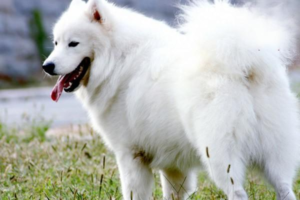
The Samoyed — often called the 'smiling angel' for its bright white coat and gentle, lively temperament — stays healthy and handsome largely through diet. Match the food to the dog's condition: high-protein, low-fat formulas for overweight dogs, coat-supporting nutrients (omega-3s, vitamin D, DHA) for dull fur, and easily digested, protein-rich senior diets after age 12–14. Favor natural, additive-light foods over heavily processed ones to support a longer, healthier life.

Why Dogs Shouldn’t Be Left Home Alone for Long Periods
Leaving a dog home alone too long strains both body and mind. Physically, dogs that only eliminate outdoors will hold their urine, risking urinary stones and infections; puppies and seniors are especially vulnerable. Psychologically, prolonged isolation can trigger separation anxiety and depression, so a safe space, calm comings and goings, and engaging toys help keep your dog stable.