Search Results
181 results for “senior dog health”

5 Tips to Keep Your Dog Warm and Healthy in Winter
Winter solstice marks the coldest time of year - a stern test of a dog's fitness, when careful care matters. Once balance breaks and resistance drops, germs strike, causing sensitive gut and runny-nose colds. How to help your dog through a warm, comfortable winter and boost immunity - read on.

Can a Dog’s Non-Black Nose Be Tanned by the Sun?
Many dog owners meet the problem of a non-black nose. Let's first understand the reasons a dog's nose is not black.

The Life Stages of a Dog
A dog's nutritional needs change from puppyhood through its senior years. Knowing what and how often to feed at each stage helps your dog grow strong and stay healthy into old age.

The Best Foods to Feed Your Dog
Bone broth, fresh goat's milk, carrots, apples, eggs, green beans, organ meats, and salmon are packed with nutrients that support a dog's gut, coat, joints, and overall health when fed correctly.

Is Your Dog Overly Clingy? Understanding Separation Anxiety
Clinginess can be normal affection, but destructive solo behavior may signal separation anxiety. Build independence with shared care, calm departures, and desensitization.

Winter Warmth Mistakes for Dogs
Winter is cold, so keeping a dog warm is needed - but wrong methods threaten its health and safety.

Can Dogs Eat Fruit? Safe Feeding Tips
Dogs can eat some fruits, but not all and not in unlimited amounts. Feed fruit in moderation, peel and pit it, wash it well, and avoid varieties that are high in sugar or risky for dogs with kidney or urinary issues.

Best Dog Food for Shetland Sheepdogs: How to Choose the Right Kibble
Protein, fat, vitamins, minerals, calcium, and carbohydrates are all nutrients a Shetland Sheepdog needs in sufficient amounts to grow properly; a deficiency can affect normal development. When it comes to dog food, which types suit a Shetland Sheepdog best?

How to Treat Bacterial Pyoderma in Dogs
Bacterial pyoderma in dogs is a bacterial skin disease caused by pathogens such as streptococci and Corynebacterium. Treatment focuses on reducing inflammation and fighting infection. Here is how to handle bacterial pyoderma in dogs.
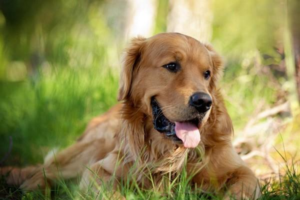
Is Your Dog Panting Hard Because It’s Tired?
Dogs pant for many reasons — heat, fatigue, or illness such as bacterial infection, pneumonia, bronchitis, even asthma. Panting is not always just tiredness. Learn to tell normal panting from asthma.