Search Results
46 results for “saprolegnia”
What Diseases Are Red-Eared Slider Turtles Prone To?
Common red-eared slider diseases include saprolegniasis, shell rot, enteritis, gastroenteritis, parasitic disease, and white-head disease. Fungal infection shows white fuzzy growth on the body; shell rot causes decay of the plastron.
My fish has black-centered, white-ringed patches on its head—is this a skin disease?
White patches on a fish are likely skin infection—bacterial or fungal (white spot disease, saprolegnia). Fish disease is hard to diagnose; adjust water quality/temp/environment and diet, try meds; consult experienced keepers if unsure.
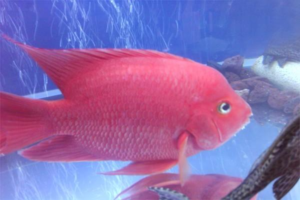
What to Do When Parrot Fish Grow White Fuzz
White fuzz on parrot fish comes from poor or unstable water, temperature swings, or saprolegniasis (fungus). Fix water quality, raise temperature to 30 C then settle at 25-28 C, or salt-bath / potassium permanganate the isolated fish for about a week.

Why Is Your Blood Parrot Lying on the Tank Bottom?
A blood parrot resting on the tank floor can be normal (just napping), but it can also signal saprolegniasis or swim-bladder disorder. Rule out disease by checking water quality and behavior; treat fungus with isolation and salt baths, and swim-bladder issues with warmer water and regular changes.
My turtle’s neck looks a bit dry: what could it be?
White patches on a turtle's neck may be normal shedding in spring and summer, needing only more light. They could also be skin ulceration or water mold, with broken skin and low appetite, needing a vet.

Can Water Mold Disease in Turtles Be Avoided? (Causes & Prevention)
Water mold disease is preventable. Although Saprolegnia is widespread in water, its presence alone does not cause the disease—infection requires a wound. A healthy, uninjured turtle will not get water mold, so the key is good husbandry: smooth enclosures, regular sunlight, balanced nutrition, and clean water. Early signs include gray-white spots and white fuzzy growths on the skin and shell; untreated, the disease progresses to swelling, ulcers, appetite loss, and death.

What to Keep in Mind When Changing Water for Your Arowana
Regular water changes are the first line of defense in keeping an arowana healthy, but doing it wrong can trigger refusal to eat, saprolegniasis, or cloudy eye. Proper care means pre-conditioning tap water to remove chlorine, changing only a small fraction at a time, keeping the flow gentle, avoiding feeding around the change, and watching the fish closely afterward.

Blood Parrot Cichlid Care: Ideal Water Temperature and Husbandry Guide
Blood parrot cichlids are colorful tropical aquarium fish. Keep the water stable at 25–28°C (77–82°F), maintain a slightly acidic pH of 5.5–7.0 with frequent partial water changes, feed a balanced diet of pellets plus occasional disinfected live foods, provide moderate lighting, ensure strong aeration, and watch for common illnesses like saprolegniasis and ich.
What causes white fluffy substances in a fish tank?
White fluff in a fish tank is usually the result of detritus worms, biofilm or saprolegnia (water mold). Overfeeding raises detritus worm numbers, water mold produces fluff, and uncleaned decorations develop biofilm.
Can koi sores heal on their own?
Koi body sores cannot heal on their own and need prompt medication. Most are caused by saprolegniasis, a fungal skin infection that shows fuzzy white, gray, black, or green material. Soak the sick koi in diluted potassium permanganate (10 ml per liter, 30 minutes), rinse in 1.5 percent salt water, dab the sore with mercurochrome, then give an oxytetracycline bath.