Search Results
772 results for “routine”

Guangxi stripe-necked turtle
The Guangxi stripe-necked turtle is a rare, beautifully marked freshwater turtle endemic to Guangxi, China, long suspected—though never confirmed—to be a natural hybrid. In captivity it is an active, omnivorous species that enjoys warm water and is relatively easy for keepers to maintain.

Karoo Cape Tortoise
The Karoo cape tortoise (Homopus femoralis) is the largest member of the padloper group, native to the high plateaus of South Africa's Karoo region. Unusually cold-tolerant for a tortoise, it is the only padloper known to undergo winter dormancy.
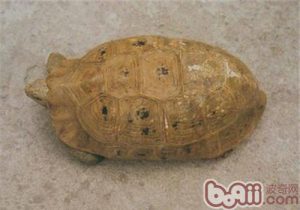
Celebes Tortoise
The Celebes Tortoise (Indotestudo forstenii), also called the Sulawesi tortoise, is a herbivorous land tortoise native to the Indonesian islands. It resembles the Burmese mountain tortoise but grows slightly larger, and is relatively easy to keep in captivity.

Oaxaca Mud Turtle
The Oaxaca Mud Turtle (Kinosternon oaxacae) is a type of mud turtle that aestivates in summer, burying itself in mud to cool down—hence its name. Living in slow-moving rivers, it hunts fish and shrimp in the water and is an omnivore that leans carnivorous.

Stripe-necked Leaf Turtle
The Stripe-necked Leaf Turtle (Cyclemys tcheponensis) has a broad distribution and healthy wild populations, and even wild-caught individuals adapt well to human care. A semi-aquatic species, it favors shallow water adjoining land; adults prefer fruit while juveniles lean toward meat.

Exotic Shorthair
The Exotic Shorthair — everyone's "Garfield cat" — pairs the Persian's plush look with a short, easy-care coat. Sweet, calm, and affectionate, it's one of the most laid-back cat breeds to live with.

Canine and Feline Hemangioma and Hemangiosarcoma
Hemangiomas are slow-growing benign tumors of blood vessels, while hemangiosarcomas are aggressive malignant vascular tumors that often spread before signs appear. Common sites include the skin, spleen, liver, heart, and bone, with large breeds such as Great Danes, Boxers, and German Shepherds overrepresented.

Leiomyomas in Dogs and Cats
Leiomyomas are benign smooth-muscle tumors that can arise wherever smooth muscle exists, such as the uterus, stomach, intestine, and blood-vessel walls. Dogs are affected more often than cats. Surgical removal is the usual treatment, and follow-up care prevents spread.

Mammary Tumors in Dogs and Cats
Mammary tumors are common in intact female dogs and are the third most common feline tumor. They often appear as firm nodules in the mammary chain and can ulcerate or spread to lymph nodes and lungs. Early spaying sharply lowers risk, and surgery is the main treatment.

Cutaneous Fibromas in Dogs and Cats
Cutaneous fibromas are benign tumors that arise spontaneously or after injury and can occur anywhere on the skin of dogs and cats. They are well-defined, hairless, and rarely ulcerate, and small ones may need no treatment. Surgical removal cures most cases.