Search Results
44 results for “roughage”

How to Determine the Right Feed Amount for a Rabbit
The right daily feed amount for a rabbit depends on body size, body condition, droppings, hunger level, and weather. As a rule, feed to about 80% fullness, adjust greens and water based on stool consistency, and split feedings across the cooler parts of the day in hot weather.
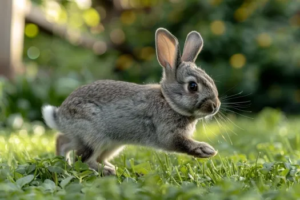
How to Raise Meat Rabbits Well
Raising meat rabbits well means timing breeding to the seasons (spring best, summer cooling, autumn nutrition during molt, winter warmth), mixing concentrate, roughage, and green feed or using complete pellets, and choosing fast-growing, disease-resistant breeds such as Belgian, New Zealand, or Chinese White rabbits.
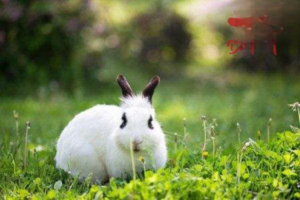
Taboos to Avoid When Raising Rabbits on a Farm
Good rabbit husbandry means avoiding common mistakes: keep the hutch dry and quiet, control heat, vary the diet, feed measured amounts, transition feed gradually, and never serve spoiled feed or skip nighttime feeding and water. Following these basics lowers disease risk and keeps rabbits thriving.

What to Watch When Feeding Rabbits Different Feeds
Rabbit feeds include greens, pellets, roughage, and concentrates, each with rules: keep greens clean, mix legumes with grasses, avoid mold, feed tender young greens sparingly, and check for toxic plants. For roughage, understand drying methods—artificial high-heat hay keeps the most nutrients.
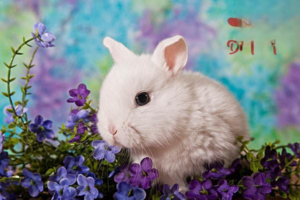
Feeding Principles for Rex Rabbits
Rex rabbits are herbivores fed mainly on greens and roughage with limited concentrates (greens 60–70%, roughage+concentrates 30–40%). Vary the diet, keep feed and water fresh, change feed gradually, prefer palatable pellets, and feed on a fixed schedule to aid digestion.

What Food Is Best for Rabbits to Eat?
What food do rabbits eat? Most people probably think of carrots. In fact, besides grass as a staple, besides carrots, there are other fresh fruits and vegetables that rabbits can eat. Below we give examples of some common foods suitable for rabbits to help them grow healthily.

How to Improve a Rabbit’s Forage Conversion Efficiency
Growing your own forage cuts rabbit-farming cost, but you must raise conversion efficiency and balance the diet. Key points: good palatability, varied feeds, greens-led with limited concentrate, about 0.5 to 1 kg greens and 150 g concentrate per adult daily, proper protein and crude-fiber levels, and not-too-high energy to avoid cecal gas and lower breeding rates. Add minerals and vitamins in moderation.
Causes and Symptoms of Constipation in Rabbits
Rabbit constipation shows as reduced appetite, hard dry droppings, a swollen tender belly, and stopped defecation. Causes include poor diet, low water, little exercise, and anal disease; treatment is food withdrawal, water, enema, and oils.

The Best Time to Wean Kits
Kits are rabbits from birth to weaning. Their systems are immature and resistance is weak, so timing matters. When should kits be weaned? Here's the guidance.

How to Schedule Breeding Buck Mating Reasonably?
Beyond the buck's own fertility, scheduling his matings well is key to raising conception. Today we discuss how to schedule buck mating reasonably.