Search Results
44 results for “roughage”

Rabbit Diarrhea Caused by Poor Daily Management
Many cases of rabbit diarrhea trace back to everyday husbandry mistakes rather than infection: too much concentrated feed, sudden diet changes, toxic or moldy feed, temperature swings, antibiotic overuse, and overfeeding weak kits. Matching the symptom pattern to the cause helps you fix it fast.

Why Rabbits Grind Their Teeth and How to Help
Teeth grinding is normal for rabbits because their teeth never stop growing — and if they grow too long they can pierce the jaw and kill. Plenty of coarse hay and chew items wear them down, and an overgrown set needs a vet to trim.

Dietary Don’ts for Beveren Rabbits
Beverens are herbivores that thrive on hay and pelleted feed — never human food. The key mistakes are abrupt feed changes, irregular roughage (which can cause cecal impaction), and a single unbalanced feed; aim for timed meals and a measured nutrient mix.

How to Prevent Rabbit Gastroenteritis
Rabbit gastroenteritis can kill within hours to days, especially in kits, so prevention beats treatment. Feed clean, regular, balanced meals; avoid spoiled or frozen food and over-rich concentrates; treat bloat early with vinegar or herbal tinctures; and keep the hutch dry and the rabbit moving to avoid constipation.

Types of Rabbit Feed
Rabbit feed falls into three groups — concentrates (pellets), roughage (hay), and succulents (vegetables, roots). Pellets cover energy and protein; hay supplies the fiber rabbits need most; succulents add water and vitamins but cause diarrhea if overfed. Wash and drain greens, and treat them as occasional, not staples.
Can Rabbits Drink Mineral Water?
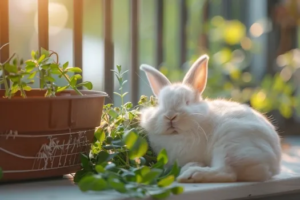
Rabbits should drink clean, plain boiled water—mineral water meant for people is not suitable for them. The high mineral content can lead to urinary and bladder stones, so stick to boiled or filtered water. With proper feeding, water itself will not cause bloat.
What Are the Advantages of Fermented-Bed Rabbit Farming?
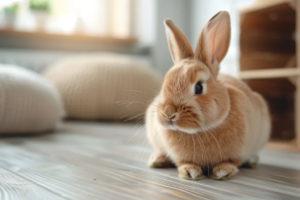
A fermented bedding system mixes and breaks down rabbit waste on the spot, cutting odor, saving feed and water, and suppressing pathogens and parasites. The end product doubles as a high-grade organic fertilizer or roughage, and the dry, no-cleanup setup lowers disease rates. It's an efficient, low-input, eco-friendly husbandry method.

How to Increase Rabbit Wool Production
Better wool output from angora (wool) rabbits comes from breeding and husbandry: choose large, dense-coated stock, use crossbreeding, and neuter non-breeding bucks. Feed sulfur-rich diets (cystine, methionine, fish meal) and add trace elements like sulfur, zinc, and copper to lift both yield and fleece quality.

6 Ways to Trigger Estrus in a Non-Cycling Doe Rabbit
A doe that will not cycle can be brought into estrus by patting the vulva, weaning her kits, shearing long fur, feeding carrots, or using hormones (FSH, hCG, PMSG) and vitamin E or epimedium. Success rates range from 75 to over 95 percent depending on the method.

How to Balance a Rabbit’s Feed Mix
To cut feed cost yet meet needs, combine cheap, equally nutritious feeds. Greens are cheap and palatable but low in nutrients; roughage is cheap but high in fiber and unpalatable alone; concentrates are rich but pricey and low in fiber. The best balance is compound feed plus greens, greens-led.