Search Results
30 results for “reduced grooming”
What happens after a Bichon gives birth?
Bichons often show reduced appetite after birth because they eat the placenta and lick amniotic fluid, causing indigestion; feed probiotics and small frequent meals of fish, bone, or goat-milk soup. They may also show postpartum depression - sleepiness, ignoring pups, aggression, over-grooming - needing vet care.
How often should a Poodle be bathed?
Bathing frequency depends on season: about 3-4 times a month in summer, once a month in winter. Dry thoroughly afterward and use dog-specific products.

Signs of Cat Depression
Depressed cats often sleep far more than usual, lose interest in food and play, become withdrawn, and may over-groom to the point of bald patches or skin inflammation. If you notice these changes, schedule a veterinary check-up to rule out illness, then focus on comfort, routine, and companionship — with medication only under veterinary guidance.
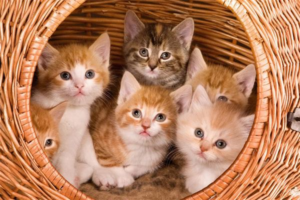
Why Do Mother Cats Get Postpartum Depression?
Postpartum depression in cats has many causes — hormonal shifts as well as environmental and personal factors. After birth, give the mother a quiet, stable environment with enough rest and affection to prevent it. If symptoms appear, get veterinary help promptly so she recovers.

Chinchilla Losing Whiskers? Causes and Care
Chinchilla whiskers can fall out for many reasons—some harmless, others worth attention. Natural shedding is normal and needs no treatment beyond good nutrition, but over-grooming, fungal or parasite infections, and vitamin or protein deficiencies can also cause whisker loss. If whiskers drop on their own with no other symptoms, simply watch your pet's behavior and keep its environment clean and safe. When loss persists or comes with other signs, a vet visit is the right move. Reducing stress, correcting the diet, and maintaining hygiene all help the whiskers grow back.
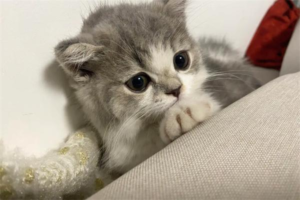
Do Cats Bully Each Other?
Bullying does occur among cats, yet owners often overlook it—especially in multi-cat homes. Cats are territorial animals that establish a social hierarchy, so competition over food, water, litter boxes, space, or a newcomer's arrival can trigger one cat to intimidate another. Typical bullying includes chasing, pouncing, biting, resource guarding, and social exclusion, while victims may over-groom, hide, lose appetite, or grow aggressive. Left unchecked, chronic stress harms the targeted cat's health and the household's harmony. The good news is that owners can prevent and reduce conflict by providing ample resources, introducing new cats gradually, intervening calmly when fights start, and avoiding favoritism. This guide explains why cats bully, how to spot both the behavior and its victims, and practical steps to restore peace.

Constipation in Dogs and Cats
Constipation is the difficult or absent passage of stool as fecal material hardens and accumulates in the bowel, eventually distending the intestine. It most often affects older dogs and cats and causes straining, discomfort, and loss of appetite; management ranges from enemas and stool softeners to surgery in severe cases.

Canine Infectious Tracheobronchitis (Kennel Cough): Symptoms and Treatment
Canine infectious tracheobronchitis - commonly called kennel cough - is a contagious respiratory inflammation that causes a sudden, harsh cough, sometimes with sputum, and often watery eye discharge. Most dogs recover in 3 to 7 days, though some develop secondary infections.
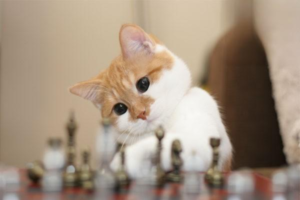
Can Cats Eat Grass? Benefits, Risks, and Growing Cat Grass
Many cats nibble grass, and it isn't necessarily a problem — grass can supply folic acid and fiber and help with hairballs. The real risks come from lawn chemicals and toxic houseplants. Here is the safe way to offer it.
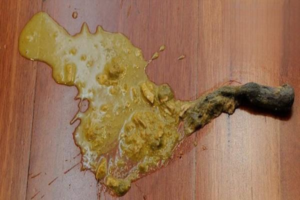
What a Cat Throwing Up a Hairball Looks Like
Cats swallow loose fur while grooming, and when it builds up it can form a hairball that mixes with food and irritates the stomach. Recognizing the early signs and keeping up with grooming and the right diet helps most cats avoid trouble. Persistent gagging or appetite loss means a vet visit.
- « Previous
- 1
- 2
- 3