Search Results
30 results for “reduced grooming”
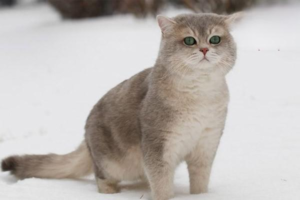
Why Does My Cat Always Lie Down? Understanding Feline Arthritis
If your cat spends most of its time lying down, walks with a limp, or refuses to be touched on the hind legs, it may be suffering from arthritis—a condition that affects up to 90% of cats as they age. Arthritis is the inflammation and degeneration of joint cartilage, most often secondary (degenerative) arthritis, which worsens as cats grow older. Cats are masters at hiding pain, so signs like reluctance to jump, reduced grooming, increased sleeping, and irritability can easily go unnoticed. Causes include aging, genetics, obesity, injury, and acromegaly. Treatment combines veterinarian-supervised medication (NSAIDs such as meloxicam), weight management with omega-3 and glucosamine supplements, and environmental adjustments like steps and soft bedding. Prevention starts with a healthy diet and keeping your cat lean.
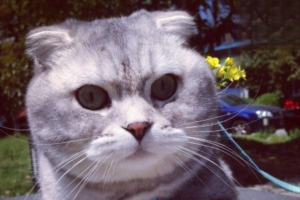
Maddening Cat Shedding
Cat shedding is the bane of every cat-owning home. Imagine clothes perpetually covered in fur; you diligently lint-roll them again and again, only to have the cat restore the mess the next day. Owners may develop 'fur phobia' from hair in food and drink, even wondering if they need hairball paste themselves.

Cat Arthritis: Symptoms and Treatment
Arthritis is a painful inflammation of the joints. We often see it in the elderly and it's common in dogs — but cats get it too, and it's often overlooked.

Why Is My Cat Sneezing
Pets and people sneeze for two usual reasons: inflamed nasal lining or a foreign object in the nostril. If exposed to irritants or a respiratory infection, the lining inflames.

Can Hamsters Get Hairballs?
Hamsters can develop hairballs (trichobezoars) when weak digestion or excess grooming lets ingested fur accumulate, showing as reduced appetite and shrinking stools. Mild cases need fiber and water; severe cases need a small-pet hairball paste — never cat/dog formulas.
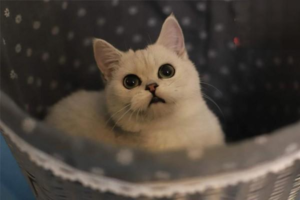
Understanding Hairball Syndrome in Cats
Cats swallow hair while grooming; normally it passes, but poor gut motility lets it pile into balls that are vomited back up. Frequent hairballs signal reduced gut movement and flora imbalance, and a blockage can cause dehydration or organ failure. Brush often, add nutrition, and use hairball paste if severe.
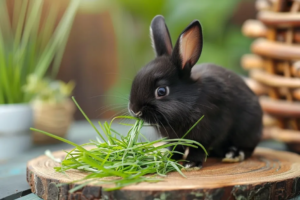
Rabbit Hairball Syndrome: Symptoms and Prevention
Hairball syndrome can badly hurt or even kill a rabbit, but timely treatment limits harm. Know the symptoms to act fast. Here are the signs and care.
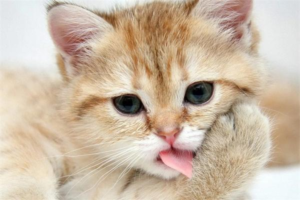
How to Calm a Stressed Cat (Feline Stress Response)
Stress can cause digestive issues, mood swings, and behavior changes. To ease it, find the cause, create a stable safe environment, spend more time, and use pheromones or calming scents. Prevention is a stable home and watching mood. If the cat vomits, won't eat, or shows urinary blockage/blood, see a vet promptly.
What happens if a cat doesn’t expel its hairballs?
Cats swallow fur while grooming, forming hairballs. If not vomited or passed, they grow in the gut and block it, causing vomiting, low appetite, constipation, belly pain. Severe blockage can press organs, affecting gut/liver/kidneys, even organ failure. Plant cat grass or give hairball paste regularly.
What happens if a Bichon Frise isn’t walked?
Bichons are lively and need moderate exercise. Without walks they may develop anxiety or depression, reduced appetite, over-grooming, and sleepiness. Excess energy plus anxiety can cause destructive behavior and nuisance barking. Lack of exercise leads to unused energy, obesity, and higher risk of diabetes and heart disease.