Search Results
391 results for “reduce cat stress”

Causes and Treatment of Cat Cystitis
Cat cystitis is a common and painful urinary condition caused by bacterial infection, diet, stress, and environmental factors. Affected cats show frequent, painful urination and cloudy or bloody urine. Treatment combines antibiotics, dietary adjustment, and good litter-box hygiene, with prevention focused on hydration and a clean environment.

What Happens When a Cat Is Attacked by Another Cat?
A cat that loses a fight can suffer scratches, bites, and bruising that may need veterinary care. Beyond physical harm, it may develop anxiety, hide, avoid people, or turn aggressive toward other pets.

Why Does My Cat Cry at Night and What to Do
Nighttime cat crying can stem from hunger, thirst, litter needs, loneliness, boredom, or illness. Meet basic needs with scheduled food/water and clean litter, give play and attention, and see a vet if other symptoms appear.

How to Disinfect a Room After Feline Panleukopenia (Cat Distemper)
The panleukopenia virus is very resilient, so use effective disinfectants such as 84 disinfectant, hypochlorous acid, bleach, hydrogen peroxide, or alcohol. Clear trash and debris before disinfecting. Items the cat touched—bed, bowls, toys—need thorough disinfection; discard those that cannot be cleaned. Wipe floors, walls, and furniture, paying attention to under-bed, sofa, and windowsill areas. Keep the room ventilated during disinfection.
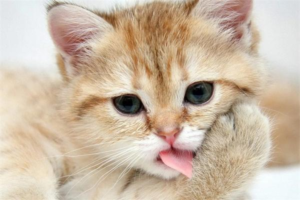
How to Calm a Stressed Cat (Feline Stress Response)
Stress can cause digestive issues, mood swings, and behavior changes. To ease it, find the cause, create a stable safe environment, spend more time, and use pheromones or calming scents. Prevention is a stable home and watching mood. If the cat vomits, won't eat, or shows urinary blockage/blood, see a vet promptly.

Why Won’t a Mother Cat Eat After Giving Birth?
A new mother cat may refuse food from exhaustion, pain, mastitis, postpartum calcium deficiency, hormone swings, or anxiety. Hormone or exhaustion/pain causes usually recover with rest. Offer tempting foods like canned food, goat milk, crucian carp soup, or chicken breast. Calcium deficiency or mastitis show swollen breasts, fever, weakness, twitching—see a vet.

What Are the Symptoms of Low Blood Sugar (Hypoglycemia) in Cats?
Symptoms of feline hypoglycemia include seizures, weak or limp limbs, lethargy, slowed responses, and pale gums. It is confirmed with a blood chemistry test, and treatment must address the underlying cause. This article details the causes and treatment of low blood sugar in cats.
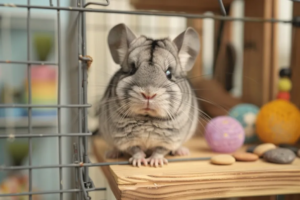
What Is Stress in Hamsters, and What Are the Symptoms?
Stress in hamsters is the body's reaction to upsetting stimuli—raised blood pressure, trembling, a racing heart, and even apparent death-feigning. Severe stress can be fatal, so avoid disturbing your hamster unnecessarily. This article explains the symptoms, risks, and prevention.

Benefits of Spaying Your Cat and What to Prepare
Spaying removes a female cat's ovaries and uterus (or a male's testes) so she or he cannot reproduce, and it greatly lowers the risk of reproductive diseases and problem behaviors. This guide covers the benefits plus the health checks, fasting, and aftercare you need to get right.

How to Relieve Constipation in Cats
Mild cat constipation can often be eased at home by increasing water intake, adjusting the diet, managing weight, adding exercise and fiber, and lowering stress. Severe cases need a veterinarian's help rather than home enemas.