Search Results
391 results for “reduce cat stress”
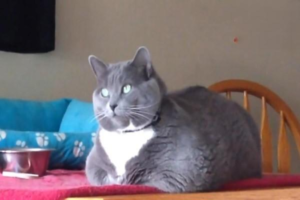
How to Tackle Cat Shedding
At the mention of shedding, many owners have something to say. Some feel helpless and just clean up silently; others have various ways to manage their cat's coat that keep it looking great while saving themselves effort. Today we talk about cat shedding.

The Dangers of Stress in Rabbits
Stress in rabbits, triggered by fright, sudden noise, environment changes, or poor husbandry, causes anything from reduced appetite to fatal collapse. Pregnant, lactating, and young rabbits are especially vulnerable, so quiet housing, stable feeding, and correct vaccination are key preventives.

Why Is Your Cat Not Eating? Is It Sick?
A cat that stops eating may be in heat, ill (gut, oral, kidney, or parasite disease), poorly fed, stressed by its surroundings, or simply anxious. Rule out illness with a vet, then fix diet, environment, and routine.

What to Do When a Cat Strains but Cannot Urinate
A cat that squats for a long time without producing urine is often a male with a blockage from infection or stones. This guide lists the common signs of feline urinary disease and the steps owners should take to get a diagnosis and relief.

How to Remove Strong Cat Urine Odor
A strong cat urine smell usually means missed accidents, diet, or a dirty litter box. This guide covers litter-box care, ventilation, odor neutralizers, bathing, neutering, and diet tweaks to keep the home fresh.

Is a Kitten That Pees from Fear Showing Stress?
A kitten that loses bladder control from fright is indeed experiencing a stress response — a sign of lost emotional control and incontinence. This guide explains the dangers of fright-induced stress and how to respond.

How Long Does It Take for a Scared Cat to Recover?
Recovery time for a frightened cat depends on its personality and how severe the stress response was. Mild cases may settle within about 30 minutes, while a serious scare can take hours or even days. This guide covers common fright reactions and how to soothe a scared cat.

Why Is My Cat Lethargic and Sleeping All Day?
Cats naturally sleep 12–18 hours a day, so lots of sleep isn't always illness. But if a cat can't be woken, seems dull when awake, or shows reduced urine, soft stools, fast breathing, appetite loss, or eye/nose discharge, it may be sick and should see a vet.

How to Support a Cat with a Sensitive Stomach
Some cats have notoriously delicate digestions—the so-called glass stomach—prone to soft stools, diarrhea, and vomiting. The key to managing it is diet. Choose a limited-ingredient, single-protein hypoallergenic food, feed small meals several times a day, and always transition new food over seven days. Pet-specific probiotics (mixed into water below 40°C so the live cultures survive) help rebalance gut flora, while a calm, low-stress home prevents flare-ups. If symptoms persist or worsen, a vet check and possibly a prescription gastrointestinal diet are the right next steps.
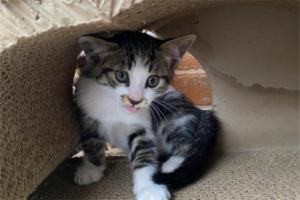
Why Don’t Cats Catch Mice Anymore?
Modern pet cats often ignore mice because their lifestyle has changed. Well-fed house cats have a weaker hunting drive, prefer tender wet food, and may lack exposure to or energy for hunting, especially as they age.