Search Results
391 results for “reduce cat stress”
My rabbit’s ears are hot; I cooled them with water but they get hot again—why?
Based on your description, hot ears in a rabbit may indicate a fever. A pet rabbit's normal temperature is about 38–39.5°C. First measure with a thermometer; if accompanied by symptoms like nasal discharge or lethargy, the fever is likely from infection or contagious disease. If cooling doesn't help and fever recurs, see a vet.
My rabbit has been trembling since yesterday, low energy, though appetite is okay, and feels warm. It normally loves to run around but these two days is unusually inactive and behaves oddly. But its droppings are normal.
A rabbit can tremble for many reasons - fright, nervousness, cold or hot weather, a chill or cold, or illness causing pain or fever. In summer, if kept in hot outdoor conditions it may breathe rapidly and shake; it is recommended to keep the rabbit in a comfortably temperature-controlled environment and observe. Given your description of trembling together with a warm body surface and lowered spirits, illness is quite likely; take its temperature, and above 39.5 C indicates fever. Such diseases can be hard to spot, so a vet visit is advised to rule out infectious disease such as rabbit pasteurellosis, an acute febrile septicemic illness that causes fever and trembling.
My newly rehomed kitten vomits after eating but stool stays normal—what’s wrong?
Vomiting with normal stool has many causes; here likely stress from the new environment plus varied food worsening gut upset. Adjust diet to one soft food in small frequent meals, give pet probiotics and anti-inflammatories, and watch 2 days; if no relief, see a vet for gut check.
It Is 36 Days Old, Came Home Last Night, Ate Only a Little, Stools Are Formed but the Tail End Is Slightly Watery, Head Keeps Tucking Back into Its Wings, Feathers Feel Slightly Puffed Up
Based on your description and the photo, the parrot may have soft stools, reduced appetite, shivering, timidity, and puffed feathers, which could be stress-induced enteritis from a new environment or long transport, or enteritis from carried pathogens or parasites.
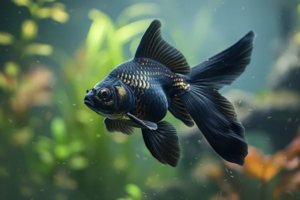
Common Reasons an Arowana Stops Eating
An arowana may refuse food because it is stressed by a new environment, the water has gone bad, the diet is too monotonous, it has a cold, it has internal parasites, or it has enteritis. Pinpoint the exact cause—stable water, a short fast, then targeted treatment—before resuming feeding.
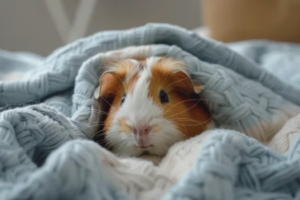
What to Do When Your Hamster Has Diarrhea
A hamster's gut is delicate, and diarrhea can turn fatal fast without prompt care. Causes include too much watery food, poor hygiene and stress, cold weather, or allergies. Treat by cutting juicy foods and adding probiotics, warming the cage, or removing the allergen; keep the environment dry and ventilated.
How soon after vaccination can a Corgi eat dog food?
A Corgi can usually eat normally right after vaccination. Just avoid baths, diet changes and stress for a week.
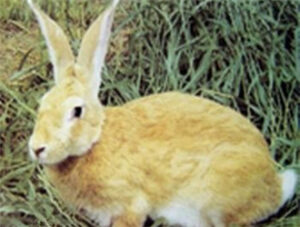
Taihang Mountain Rabbit
The Taihang Mountain Rabbit is a man-made meat rabbit breed, large when mature, with a yellow coat—hence also called the Tiger-skin Yellow Rabbit. It grows fast, has a high meat yield, and tolerates coarse feed, making it well suited to rural introduction and raising.

Checkered Giant Rabbit
The Checkered Giant Rabbit is a large breed, usually raised for meat, but its cute looks and big personality have made it a pet despite its size. Confident and attention-loving, it needs space, exercise, and a quiet introduction to a new home.
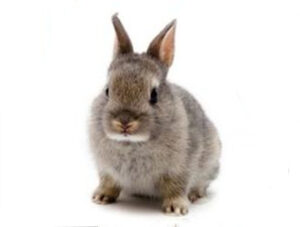
Dwarf Rabbit
The Dwarf Rabbit is a classic pet rabbit breed with a very small, adorable body that never grows large—its defining trait. Purebreds are expensive and rare, so beware of sellers passing off ordinary baby rabbits as Dwarf Rabbits; a true Dwarf Rabbit stays tiny for life.