Search Results
391 results for “reduce cat stress”

How to Train Your Cat to Use the Litter Box
Cats may seem untrainable, but they respond to cues when there is a reward in it for them. Use food rewards paired with a sound to teach any behavior—including proper litter box use. Never punish inappropriate elimination; it raises stress and makes the problem worse.
How Do Cats Communicate?
Cats are mysterious, and everything they do is a form of communication. They use non-verbal (visual) signals, sound, physical contact, body language, and scent. With each other they rely on visual and olfactory signals; with people they mostly vocalize.
Cat Anatomy and Nutritional Requirements
A cat's body has nine notable parts (limbs, eyes, teeth, paw pads, nose, tongue, claws, whiskers, ears), and its diet needs core nutrients: protein, fat, carbohydrates, water, crude fiber, magnesium, calcium, phosphorus, and taurine. As obligate carnivores, cats need animal-source nutrition.
How to Stop a Cat From Peeing Outside the Litter Box
Inappropriate urination usually falls into two patterns — territorial marking or true accidents — and the cause can be medical, emotional, hormonal, or about the box itself. Finding which one it is guides the fix, and punishment only makes it worse.
Vaccination Tips for Cats and Dogs
A smooth vaccination comes down to the right timing, honest health reporting, and careful aftercare. Knowing what to do before, during, and after the shot — and why boosters matter — protects your pet when its immunity briefly dips.

How Many Days Can a Cat Survive Without Eating?
A cat can last about a week without food; beyond that, weakness and organ failure set in, and the risk of fatal fatty liver rises sharply after three days. Boredom with food, sudden diet swaps, stress, or illness cause refusal — offer small frequent meals and vet care if sick.

What to Do When Your Cat Collapses from Diarrhea and Dehydration
Diarrhea can drain a cat's body of both fluid and essential electrolytes faster than most owners expect, and severe dehydration can spiral into shock. Knowing how to rehydrate at home and when the situation is an emergency is the difference between a quick recovery and a life-threatening crisis.

Feline Idiopathic Cystitis: What It Is and How to Help
Feline idiopathic cystitis, or stress-linked cystitis, is the most common lower urinary tract disease in cats, making up about a third of cases. It is diagnosed by ruling out infection and stones, then eased by cutting stress, using facial pheromones, and boosting water intake.

Rabbit Diarrhea Caused by Poor Daily Management
Many cases of rabbit diarrhea trace back to everyday husbandry mistakes rather than infection: too much concentrated feed, sudden diet changes, toxic or moldy feed, temperature swings, antibiotic overuse, and overfeeding weak kits. Matching the symptom pattern to the cause helps you fix it fast.
What to Do When Your Pet Cries at Night
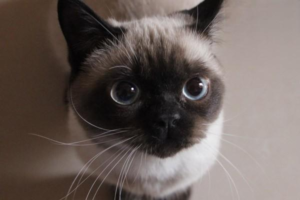
Nighttime vocalizing usually traces back to illness, a sudden change in routine or surroundings, or mating behavior, so finding the cause comes first. Calming measures include a high-calorie snack before bed, play to burn off energy, steady companionship, keeping familiar items in place, topping up trace elements, and a vet check for older pets.