Search Results
391 results for “reduce cat stress”
My hamster had diarrhea, then stopped eating and drinking, and now isn’t defecating — what should I do?
Diarrhea followed by refusal to eat or drink can mean cold, stress, gut trouble, or parasites. See a vet promptly to avoid collapse; withhold food 12–24h only if spoiled-food upset is suspected.
How does moving to a new home affect my cat?
Cats are sensitive and may show stress after a move — meowing, low appetite, hiding, even territorial marking. Keep familiar items in a fixed spot and spend time playing with the cat to ease anxiety.

Cat Grass vs. Catnip: What Is the Difference?
As carnivores, cats occasionally need to eat grass too. Here is how cat grass differs from catnip, and whether they are safe to feed often.

Chronic Kidney Disease in Cats: Symptoms and Treatment
Chronic kidney disease is common in cats and a leading cause of death, mainly because cats drink little, staying dehydrated and stressing the kidneys until function is slowly lost.

Essential Home Medicines for Cat Owners
Cat owners often face emergencies like vomiting, eye inflammation, diarrhea, or minor wounds. Keeping some first-aid medicines at home avoids frequent clinic trips and stress for the cat.
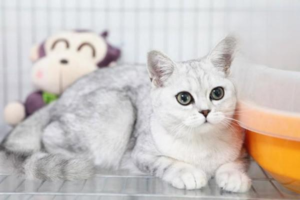
Sudden Stress Response in Cats
It is often said that a cat's stress response can cause very serious consequences. Today we talk about the cat's stress response. It is said that cats are like women, which is because cats are emotionally very sensitive creatures; various environmental changes, even some noise, may trigger a cat's stress response.

Common Questions About Spaying and Neutering Cats
When is the best time to spay or neuter a cat? What should be noted before and after the surgery? What are the benefits? These are things every cat owner needs to learn. Spaying or neutering is something every cat must go through; let us look at these common questions together.

The Truth About Cat Vaccinations
A cat's resistance changes with age: weak in infancy before the body peaks, and declining again in old age.

What to Do When Cats Keep Fighting Each Other
Cats fight for many reasons—food guarding, play, toy rivalry. Spay/neuter all cats, keep claws trimmed, give each 10–15 min of daily play, use bells to track them, swap scents with a towel, and try facial pheromones (Feliway). Separate fighters with a blanket or loud noise, then restart desensitization and counter-conditioning.

How to Safely Break Up a Cat Fight
Cat fights are common in multi-cat households, but frequent or violent clashes call for calm, safe human intervention—never step in with your bare hands. The right approach is to break their focus, separate the cats to cool down, and prevent repeat conflicts by treating every cat fairly and giving each one enough resources to feel secure.