Search Results
1780 results for “red eyes”

Sulawesi Forest Turtle
The Sulawesi forest turtle is the sole member of its genus, a gentle, semi-aquatic turtle found only in limited areas of northern Sulawesi, Indonesia. Modest in size and undemanding in diet, it remains rare and difficult to obtain in the pet trade.
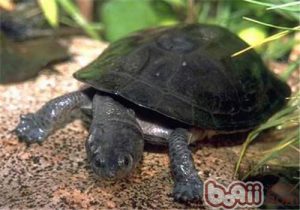
Mesoclemmys Turtle
The Mesoclemmys turtle is a little-known, wide-ranging South American species that has been largely overlooked by both researchers and hobbyists. A small, secretive turtle inhabiting shaded forest streams, it remains rare in the pet trade.

Psammodynastes pulverulentus
Psammodynastes pulverulentus, also called the tea-banded snake, is a mildly venomous but non-fatal colubrid found from the Himalayas through Southeast Asia to Indonesia and southern China. Agile and partly arboreal, it is best kept as a captive-bred individual in a humid, plant-rich enclosure.
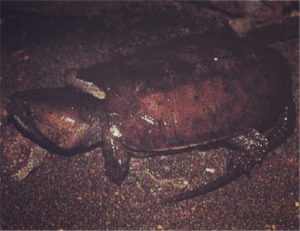
Burman Big-headed Turtle
The Burmese Big-headed Turtle (Platysternon megacephalum) is a subspecies of the beaked turtle found mainly in Myanmar and Vietnam, an aggressive carnivore that adapts fairly well to captivity. It mates in autumn and lays eggs from early summer, but its fierce temperament demands careful handling.
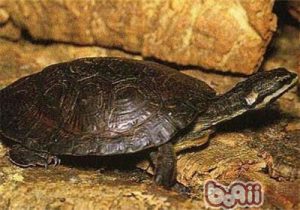
Phrynops williamsi
Phrynops williamsi, also called the Masked Toadhead Turtle, is a side-necked turtle from South America that loves basking and is semi-aquatic in the wild. Lively and relatively easy to keep, it remains uncommon in captivity and is found mainly as wild-caught individuals.
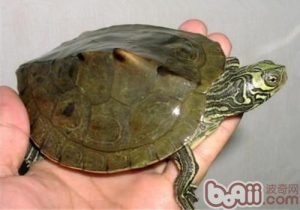
Barbour’s Map Turtle
Barbour's Map Turtle (Graptemys barbouri) is a strikingly marked map turtle from the river systems of the southeastern United States, resembling a painted turtle in form. Though widespread in the wild, it is uncommon in captivity, with the Mississippi map turtle being the most frequently kept of the group.

Indian Cobra
The Indian cobra (Naja naja) is a highly venomous snake feared by many; its neurotoxic venom attacks the heart, muscles, and respiratory nerves, causing rapid paralysis with little pain at the bite site. One of India's 'Big Four' venomous snakes, it is revered as a sacred serpent and found below 2,000 m elevation.
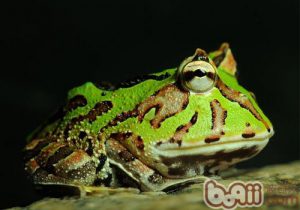
Cranwell’s Horned Frog
The Cranwell's horned frog (Ceratophrys cranwelli) is one of the most commonly kept horned frogs, native to South America. With its big body, short limbs, and warty skin, it is easy to keep and a great choice for beginners, though it must never be housed with other frogs.
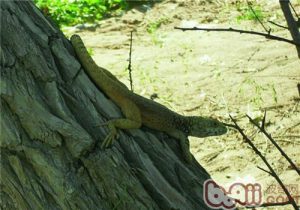
Xinjiang Rock Agama
The Xinjiang rock agama (Laudakia stoliczkana) is a color-changing lizard native to Xinjiang, China, renowned for its remarkable ability to shift hue — its body lightens and its head and neck redden in sunlight, then darken again in shade.
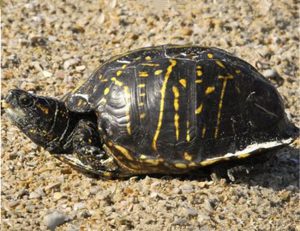
Common Box Turtle
The Carolina box turtle (Terrapene carolina) comprises six subspecies distinguished by their shell patterns and named for its box-like shell. Ranging from eastern North America through Canada and Mexico, this largely terrestrial, omnivorous turtle is exceptionally long-lived, though habitat loss has driven population declines.