Search Results
1780 results for “red eyes”

How to Tell If Your Dog Has Canine Distemper
Canine distemper is a highly contagious, often fatal viral disease. Watch for fever around 40°C or higher, cough, runny nose, vomiting, diarrhea, lethargy, and red swollen eyes. These signs overlap with a common cold, but distemper brings higher fever, lost appetite, cough, eye discharge, and labored breathing, while a cold usually does not. If you suspect distemper, isolate the dog at once and see a vet; treatment uses antivirals, antibiotics, and nutritional support, and early care greatly improves the odds. Vaccination remains the best prevention.

Are Double-Bloodline Ragdoll Cats Special?
A double-bloodline Ragdoll has two purebred Ragdoll parents, which usually means better conformation but costs more, and is not a guarantee of good looks. Some double-bloodline cats inherit poor traits from their parents and look worse than others. Single-bloodline cats, with only one purebred parent, are even more unpredictable. Because bloodline does not determine appearance, choose a Ragdoll by its looks rather than its papers. Good examples come in three color patterns: bicolor, point, and mitted.

How Long Can a Dog Survive Heartworm
How long a heartworm-infected dog lives depends on infection site and severity, the dog's age and health, and how effective treatment is. Mild cases often recover with medication, while moderate to severe ones may need risky surgery. With proper treatment a dog can live for years; without it, death may come in weeks to months. Seek a vet promptly for diagnosis and care.
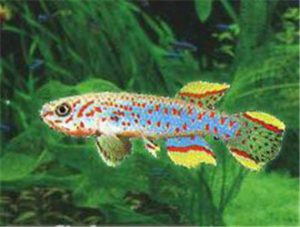
Aegean Killifish
The Aegean Killifish (Aphyosemion celiae) is native to West Africa and shaped like the harp killifish, 6-7 cm long. It likes weakly acidic water and higher temperature (optimal 24-28 C), eats live foods like bloodworms and artemia, and is hardy and easy to keep.
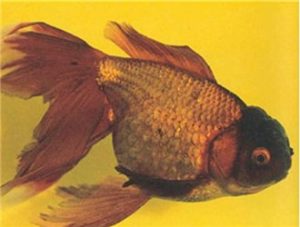
Brown Oranda with Curled Opercula
In goldfish, curled opercula is usually a disease sign, but the Brown Oranda with Curled Opercula has gill covers that grow everted from inside out like a wound - a hereditary variation.

Featherfin Bannerfish
The Featherfin Bannerfish (Heniochus chrysostomus), mainly from the Indo-Pacific coral reefs, is also called the Feather Knife. Named for its feather-like tall dorsal fin, it eats invertebrates and coral polyps, so care is needed in the tank.
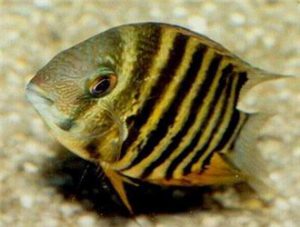
Severum Cichlid
The Severum (Cichlasoma severum), also known as the Pineapple Fish, originates from Guyana, Brazil, and the Amazon basin and was introduced to China in the 1990s. With a distinctive look and robust body, it is gentle except during breeding and is a popular cichlid.
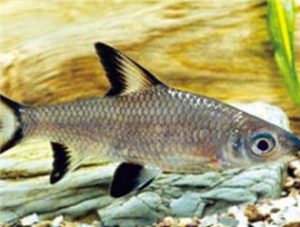
Bala Shark
The Bala Shark (Balantiocheilus melanopterus), native to Thailand and the Indonesian islands of Sumatra and Borneo, is a popular ornamental fish thanks to its silvery beauty and robust, easy-to-keep nature.

Silver Gourami
The Silver Gourami, also known as the Moonlight Gourami or Silver Man, is an all silver-white, robust fish that is easy to keep - a good beginner ornamental fish. However, newly hatched fry are harder to raise and have a lower survival rate than other gouramis.
Silver Celestial Eye Goldfish
The Silver Celestial Eye Goldfish is a variety of Dragon-back goldfish whose eyeballs protrude from the sockets and turn upward and forward toward the sky, hence the name sky-gazing eye. It is a relatively rare goldfish variety.