Search Results
1780 results for “red eyes”
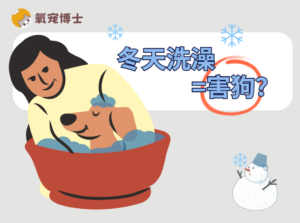
Can You Bathe Your Dog in Winter? Yes—With These 3 Points
Winter bathing isn't forbidden—it's about method. Bathe too often or not at all both cause problems, and human products harm a dog's skin. Choose the warmest midday hour, preheat the room to 25–28°C, keep the whole wash to 10–15 minutes at 38–40°C water, then dry thoroughly. Rest indoors an hour or two before going out, and a warm, clean coat keeps your dog healthy and close to you.
What medicine helps my dog’s tear stains heal faster?
Tear stains have different causes — blocked tear ducts, conjunctivitis, keratitis — so there is no single 'pill' that fixes them. Massage the tear glands, use an eye-care gel, and for inflammation use pet-specific antibiotic eye drops or ointment; the exact treatment depends on the diagnosed cause.
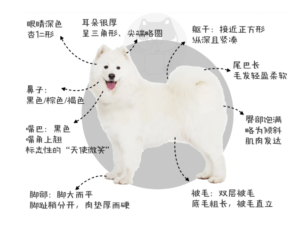
The Samoyed: A ‘Smiling Angel’—but Think Twice Before You Commit
The Samoyed's famous 'smile' is real, and so is its friendliness, trainability, and adaptability. But this breed sheds heavily, needs daily exercise, has a sensitive stomach, and shows its share of health issues—tear stains, dermatitis, heatstroke, obesity, and hip dysplasia. Before you fall for the looks, weigh the work it takes to keep one happy and healthy.

Common Old-Age Diseases in Dogs
Dogs are seniors from about seven years, showing grey fur, clouded eyes, weaker hearing, slower movement and lost teeth, all normal aging. But the risk of heart disease, joint trouble and mouth disease also climbs. Aging hearts can cause fluid buildup and breathlessness, a fading pancreas can bring obesity and diabetes, joints stiffen, eyes cloud with cataracts, coats thin, and tartar and gum disease appear. Adjust diet to avoid excess calories and keep weight down to protect joints and metabolism.

How to Choose and Care for Goldfish
Keeping goldfish starts with choosing healthy fish, especially for beginners who may otherwise face sudden illness. Avoid fish that float head-down, list to the side, or show wounds, lost scales, white fuzz, white spots, bloodshot fins, cloudy eyes or faded color. Feed a varied diet of live foods or quality pellets, use fixed times and spots, keep one year-old fish to about 10 litres of water, and maintain clean, stable-temperature water to prevent disease.
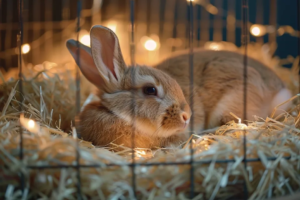
Understanding a Rabbit’s Physical Traits
Rabbits are built for alertness and quick escape. Their freely rotating ears carry dense blood vessels that release heat and give keen hearing, while eyes set on the sides of the head give a near 300-degree view, though daytime sight is weak. A constantly twitching nose reads scent, whiskers map nearby objects, and 28 ever-growing teeth demand constant chewing. Strong hind legs power leaps, a fragile skeleton needs careful handling, and body size ranges from under 2 kg to 8 kg across small, medium and large types.

Can Dogs Be Allergic to Their Own Kibble?
Dogs can be allergic to kibble, and it is not rare; the usual trigger is grain. Descended from wolves, dogs are built to digest protein and fat, so too much wheat, rice, or corn can cause poor digestion and allergy, and tolerance varies by individual. Signs include hair loss, red itchy skin, spots, restlessness, breathing trouble, runny eyes and nose, swollen paws, and gut upset like vomiting or diarrhea. If your dog is allergy-prone, choose grain-free food and introduce any new food in small test amounts first.
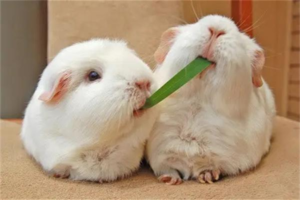
Where Do Guinea Pigs Like to Be Petted?
Guinea pigs enjoy being stroked on the head, under the chin, and behind the ears, with the head between the eyes and crown being the easiest spot to accept. Avoid the back and rear, which are off-limits and may provoke a bite. A newly arrived pig is fearful and should not be handled until it settles; most take 3 to 7 days to adjust, after which gentle head strokes build trust. Once bonded, the pig may run to you, climb into your hand, and become clingy.
What Causes Malocclusion in Rabbits?
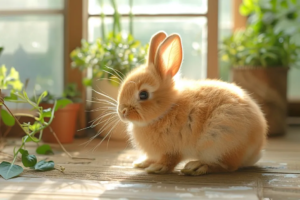
Malocclusion, or misaligned teeth, is a common rabbit dental disease with congenital and acquired forms; most cases are acquired from poor management. Rabbit teeth grow continuously, so they must wear them down by eating coarse fiber like grass. Without enough chewing, teeth overgrow and slip out of alignment. Overlong teeth can cut the lips, tongue, and cheeks, cause painful refusal to eat and mouth ulcers, and in severe cases the roots may pierce into the nasal cavity, eye socket, or jaw, forming abscesses. Prevent it with regular dental checks and plenty of hay for wear.

Symptoms of a Cold in Guinea Pigs
A cold in guinea pigs often brings sneezing, clear nasal discharge, labored breathing, red or weepy eyes, a sore throat with coughing, lowered activity, and sometimes poor appetite when breathing or fever is affected. Give a warm, dry home with plenty of food and water and extra vitamin C. Keep the cage clean by washing bowls and changing bedding to limit bacteria. For severe or lingering cases, see a vet rather than self-medicating, since the right treatment depends on the exact condition.