Search Results
683 results for “recovery care”

How Long Can a Dog with Kidney Failure Live? Three Ways to Add Years
There is no single answer to how long a dog with kidney failure survives—it depends on type, stage, and treatment. Acute failure from toxins or blockage can often be reversed if treated within about 48 hours. Chronic failure in older dogs can't be cured, but mid-stage dogs commonly live 1–3 years and some over 5 with good management. Diet, medication, and daily care are what buy the time.

Can a Guinea Pig Cold Heal on Its Own?
A guinea pig cold rarely clears by itself. Unlike a human cold, it comes from different pathogens and the animal's immune defense is weak, so treatment is usually needed to ease signs and aid recovery. Symptoms are sneezing, clear nasal discharge, more eye discharge, lost appetite, and low spirits. See a vet early for diagnosis and the right antibiotics or supportive care; keep the cage warm and clean, offer vitamin-C-rich easy food, and ensure fresh water. Never medicate on your own, as wrong drugs can harm the pig.

Is Dog Neutering Risky for Infection in Summer?
Neutering a dog in summer does raise the chance of wound infection, because heat, humidity, and heavier sweat and oil let bacteria multiply faster and slow healing, while mosquitoes and fleas add irritation. With good care, though, a summer surgery can still go smoothly. Keep the incision clean and dry, use an Elizabethan collar, limit activity, provide a dry clean space, feed quality food, control parasites beforehand, and check the wound often for swelling, discharge, or odor, seeing a vet for anything abnormal. Choose a reputable clinic for the procedure.

What Causes Sepsis in Dogs and How Is It Treated?
Dog sepsis happens when bacteria such as Staphylococcus, Streptococcus, or E. coli multiply in the blood and release toxins, causing body-wide infection. Large skin wounds, bacterial diarrhea, purulent peritonitis, or open fractures can all trigger it. Early signs include fever, lost appetite, vomiting, diarrhea, weakness, rapid breathing, dilated pupils, and abnormal heartbeat. The sooner treatment starts, the better the odds, so see a vet at once if these appear. Treatment uses culture-guided antibiotics, nutritional support, symptomatic care, and restoring acid-base balance.

How Long Can a Dog Survive Heartworm
How long a heartworm-infected dog lives depends on infection site and severity, the dog's age and health, and how effective treatment is. Mild cases often recover with medication, while moderate to severe ones may need risky surgery. With proper treatment a dog can live for years; without it, death may come in weeks to months. Seek a vet promptly for diagnosis and care.

Flowerhorn Cichlid
The Flowerhorn Cichlid is now very popular and widespread. Its slightly raised head and special shape make it beloved. It is a hybrid; on release it captivated Asia-Pacific hobbyists and sparked a buying craze.

Angonoka (Ploughshare) Tortoise
One of the world's ten most endangered turtles - fewer than 1,000 left in Madagascar, CITES I, and effectively not tradable. Education-only profile.
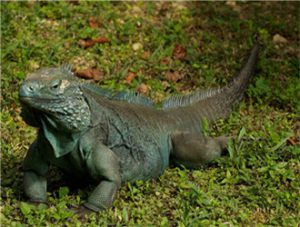
Grand Cayman Blue Iguana
The Grand Cayman Blue Iguana (Cyclura lewisi) is a critically endangered rock iguana endemic to Grand Cayman. A hardy, docile giant reaching 1.5 m and living 40–69 years in captivity, it needs strong UVB and a hot, dry enclosure.

Anglo Mink
The Anglo Mink is the domesticated pet ferret (Anglo / Marshall lines) kept as a companion animal. Intelligent, gentle, and easy to litter-train, it is heat-sensitive and mischievous when unwatched, needs a large wire-free cage and 4+ hours out daily, and eats a meat-based diet (30–35% protein, 15–20% fat). Lifespan 8–12 years.
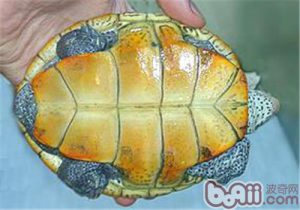
Mississippi Diamondback Terrapin
The Mississippi Diamondback Terrapin (Malaclemys terrapin pileata) is a semi-aquatic turtle from the brackish coastal marshes of the southeastern United States. Demanding about water quality, temperature, and a touch of salt, it is uncommon in the pet trade and requires committed care.