Search Results
683 results for “recovery care”

What Is Pancreatitis in Cats?
Pancreatitis is inflammation of the pancreas, the organ that makes digestive enzymes and insulin. When those enzymes activate in the wrong place, they digest the surrounding tissue and cause serious illness. Cats may show poor appetite, lethargy, diarrhea, vomiting, and belly pain. The disease can be life-threatening, especially in older or weak pets, and may become chronic or trigger diabetes. Treatment centers on fluids, antibiotics, and anti-vomiting care, often in hospital.

What Is Diabetes in Cats?
Feline diabetes develops when a cat's body makes too little insulin or responds poorly to it. Without enough insulin, excess sugar spills into the urine and cells starve, sometimes producing toxic ketones. Signs include ravenous appetite with weight loss, dull coat, excessive drinking and urination, and sweet-smelling urine. Diagnosis uses blood and urine tests, while treatment centers on insulin injections, lifelong in most cases. With careful monitoring, diabetic cats can live comfortably for years.

What to Know Before Cat Spay/Neuter Surgery
Neutering cuts disease risk (tumors, ovarian cysts), stops heat stress and roaming, and curbs spraying. In China, do it after sexual maturity—about 6 months and 6 lb. Before surgery: a full pre-anesthetic exam (health, anesthesia allergy) at a reputable clinic; complete vaccines so antibodies protect the healing wound; fast 8 hours and withhold water 4 hours (aspiration causes fatal pneumonia); pack a sturdy large cat carrier, pee pads, eye lube, and an E-collar. Females take ~40 min, males ~10–20; go home after recovery. After: keep clean, feed soft nutritious food, control portions (weight gain is common), and E-collar 7–10 days. Cost is usually under 1,000 yuan—watch for overcharging.

Caring for Your Cat After Spay or Neuter Surgery
Under anesthesia your cat is dazed but inwardly anxious, angry, and fearful, and will rebound once home. Care: stay with it during anesthetic recovery (male cats may not blink—use eye drops); wait at least 6 hours before water and food, then give a quiet, clean space without over-attention; isolate from other cats and keep the E-collar on 7+ days to stop licking; watch for discharge or fever after 2–3 days and see a vet. Post-op prescription cans adds antibiotics and tempts appetite while keeping nutrition balanced (crucial—avoid constipation, especially females). No can? A plain steamed mash of chicken, liver, fish/beef, and egg works; the cat will eat more and may get sleepy and plump, so control portions.
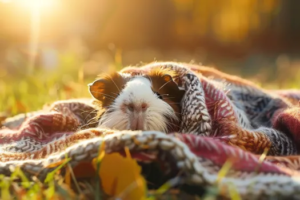
Hamster Heatstroke: Signs and First Aid
Hamsters tolerate heat better than some small pets, but a sustained hot spell can still overcome them, and heatstroke is fast and dangerous. Early signs are deceptive—frantic racing—but they quickly give way to lethargy, rapid breathing, and collapse, and an untreated hamster can die within half an hour. Quick cooling and fluids are the difference. This guide explains how to recognize heatstroke and the step-by-step first aid that can save your hamster.

Can a Cat Get Feline Distemper for No Reason?
Feline distemper, or panleukopenia, sounds terrifying, and for a kitten it can be life-threatening. The good news is a cat cannot catch it from nothing — it is a contact-transmitted virus, so infection only happens after exposure. Even an indoor cat that never goes outside can be infected if the virus is already in the home or is carried in on a person's hands, clothes, or shoes. Understanding how the virus spreads is the key to protecting your cat, and the defense rests on three pillars: vaccination, avoiding contact, and regular disinfection.

Internal Parasites in Turtles: Tapeworms and Roundworms
Tapeworms and roundworms are two of the most common internal parasites in turtles, and telling them apart matters because the treatment differs. Tapeworms steal nutrients in the gut and shed visible segments in the stool; roundworms come in many forms and can block the intestine when severe. Both are diagnosed through fecal exams and treated with specific dewormers plus gut support. This guide outlines the symptoms of each and the practical medication and aftercare steps to clear them.
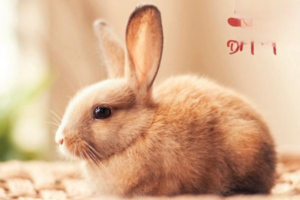
How to Relieve Bloating in Rabbits
Rabbit bloating usually comes from a fragile gut, hard-to-digest food, too little fiber, or toxic intake. Stop feeding at once and withhold food so the condition doesn't worsen, then offer a probiotic to restart gut movement and gently massage the abdomen to expel gas. Cut back on concentrated feed and add more hay to speed recovery. If home care doesn't help within a reasonable time, see a vet for targeted medication, bloating is manageable but shouldn't be ignored.

Can a Human Cold Spread to a Cat?
Owners often ask whether their cold can pass to the cat. Cats can catch it, though less easily—their resistance is generally stronger than ours, but once a cat's immunity drops it becomes vulnerable. Prevention beats treatment: an owner with a viral cold should isolate, wear a mask, and avoid sneezing or talking directly at the cat, since masks block droplet spread both ways. Keep windows open for ventilation (with screens to prevent falls). Recovery tips: watch the weather and keep the cat warm, get both cat and owner sunlight for disinfection and calcium, feed a balanced diet with taurine, B vitamins, and fatty acids, and spend time playing to keep the cat's immunity up. A cat's resistance is decent—good prevention keeps it virus-free.

What to Do When a Kitten Has a Cold
A kitten with a cold rarely gets better on its own, so step in early: give a cat-specific cold medicine (never a human one), and offer easy-to-swallow, nourishing foods like congee or goat-milk formula. Keep the kitten warm with extra bedding, off cold floors, and well hydrated; check for fever and treat it, and let it rest in gentle sunlight. If symptoms persist or worsen, see a vet.