Search Results
683 results for “recovery care”

Why Do Cats Get Folliculitis?
Feline folliculitis is a common skin condition that causes discomfort and distress for cats. It can be triggered by a mix of external factors, daily habits, and even genetics. Environmental issues such as bacteria, fungi, and parasites thrive in warm, humid conditions and raise the risk of infection. Over-grooming, scratching, and poor coat care can also damage the skin and lead to flare-ups, while long-haired breeds like Persians and Siamese are genetically more prone to it. The good news is that folliculitis is manageable. Treatment involves clipping the affected area, cleaning with saline, disinfecting with iodine, and applying an antibacterial ointment daily. Prevention relies on a balanced diet, regular grooming, a clean and dry living space, gentle bath products, and routine veterinary checkups. With the right care, owners can greatly reduce the likelihood of recurrence.

Treating Cat Ear Mites: Cleansers, Medicine, and the Full Protocol
When a cat scratches its ears and shakes its head with dark waxy discharge, ear mites are the likely cause. A cleanser alone only removes debris—it does not kill the mites. Real recovery needs cleaning plus a miticide and a deworming spot-on, done in three rounds. Here is the full, safe protocol and what to look for in an ear cleanser.

What Are the “Old Three” Fish-Keeping Remedies?
The "Old Three" is a classic, must-know technique every fish keeper should learn, and the go-to treatment when fish fall ill. It rests on three simple, low-stress steps: water change, raising the temperature, and adding salt. Regular water changes flush out waste, pathogens, and parasites to keep the tank clean. A modest temperature bump speeds up the fish's metabolism and boosts its immunity. Salt—used at a low concentration—shifts the water's osmotic pressure so bacteria struggle to enter the body and the fish's organs work less hard. Together these measures support recovery and protect your fish's long-term health.

Symptoms and Treatment of Tracheal Stenosis in Dogs
Tracheal stenosis is a common respiratory condition in dogs in which the windpipe narrows and makes breathing difficult, sometimes with a wheezing noise and, in severe cases, suffocation. It does not resolve on its own. Diagnosis relies on a physical exam, listening to the chest, X-rays, and tracheoscopy. Mild cases are managed with medication, while severe ones may need surgery such as a stent or tracheoplasty. Nutritional support, breathing therapy, and a calm, low-dust environment all aid recovery.

Why an Older Dog’s Hind Legs Suddenly Go Lame
When a senior dog's hind legs suddenly go lame, watch closely and review whether your daily care is sound - it can come from age-related calcium loss (osteoporosis) or joint trouble. Start by checking the paws for cuts from glass or thorns; clean any wound, remove debris, apply a pet wound powder, and bandage, keeping the dog rested indoors so the injury does not reopen. Long-term calcium loss is common in older dogs and weakens the bones, so add calcium-rich foods like shrimp, egg yolk, and tofu and use a vet-recommended calcium supplement. If there is no wound and diet is fine, the cause may be the joints - large breeds are prone to arthritis as they age, worsened by cold floors or over-exercise; a joint supplement plus warmth may help, but swollen, painful joints need a vet.

How to Treat a Cat’s Infected, Pus-Filled Wound
A cat wound that is oozing pus needs prompt care to stop the infection from spreading. Clean it with saline, apply antiseptic such as iodine or hydrogen peroxide, and use an antibiotic spray or ointment; severe cases need oral or injected antibiotics from a veterinarian. Keep the wound dry, fit an Elizabethan collar to stop licking, and add protein-rich food. If it worsens or a fever appears, seek veterinary treatment such as debridement and sutures.
Why Is My Hamster Limp and Weak?
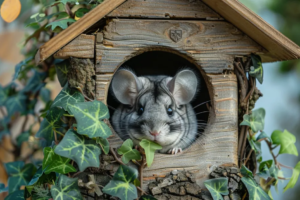
A hamster that feels limp and weak can have many causes, and the symptom alone is hard to pin down. Common reasons include a poor environment, low blood sugar, malnutrition, digestive trouble, or infection such as respiratory disease, liver problems, or diabetes. Offer rich nutrition and a warm, clean, well-ventilated home with room to move, and if weakness continues or comes with vomiting, diarrhea, discharge, or temperature change, take the hamster to a veterinarian.

Early Signs of Cheek Pouch Inflammation in Hamsters
Cheek pouch inflammation in hamsters is usually caused by bacterial infection, poor nutrition, overeating, or a sharp object scratching the pouch, and it can cause appetite loss, bad breath, and lethargy. Left untreated it may become life-threatening. Early signs include reduced appetite, food stuck in the pouch, trouble drinking, and low spirits. Prompt care, gentle massage, diet adjustment, hygiene, and veterinary-guided antibiotics are the main treatments.

How Long Does a Hamster Cold Last?
A hamster cold usually lasts about three to five days, but the exact time depends on the individual, how severe the illness is, and the treatment given. Mild cases can recover in one to two days, while severe ones take longer. Signs resemble human colds: sneezing, runny nose, coughing, and reduced appetite, with the hamster becoming quiet and inactive. Keep the animal warm and hydrated and see a veterinarian promptly for proper care.
Pet CoQ10 Supplements Reviewed: Picking One That Genuinely Supports Heart Health
CoQ10 is a popular supplement for pets with heart conditions, but it supports heart function rather than curing disease. It helps the heart muscle generate energy, mildly slows heart failure, and supports immunity and vitality. Yet the market is full of weak or mislabeled products—industry figures suggest most pet CoQ10 labels either understate or omit the actual content, and some use industrial-grade raw materials. When choosing a supplement, look for verified CoQ10 content (ideally backed by independent testing), natural fermentation sources, and a clean antioxidant formula, matched to your pet's age, breed risk, and symptoms. Used alongside veterinary treatment, a quality CoQ10 can be a valuable part of heart care.